Too hot to taste chocolate? Sit back and take the Appreciation of Fine Chocolate on-demand video course, a fascinating guide to the world of fine chocolate.
One of the joys of discovering craft chocolate is that you want to share it.
Ten years ago, craft chocolate enthusiasts were rarer, but I found one and on 30 December 2016, we put out a local press release suggesting that an evening spent indulging in some great chocolate could be the perfect antidote to a cold winter’s evening.
And Louth Chocolate Tasters was born.
In January 2017, we held our first tasting. Almost ten years later, we’re still meeting, and the room is still full.
So, what does it take to start a community craft chocolate tasting club – and, perhaps more importantly, to keep it going?
If you’re tempted to start one yourself, read on for some inspiration from nearly ten years of Louth Chocolate Tasters – and some of the things we’ve learnt along the way.
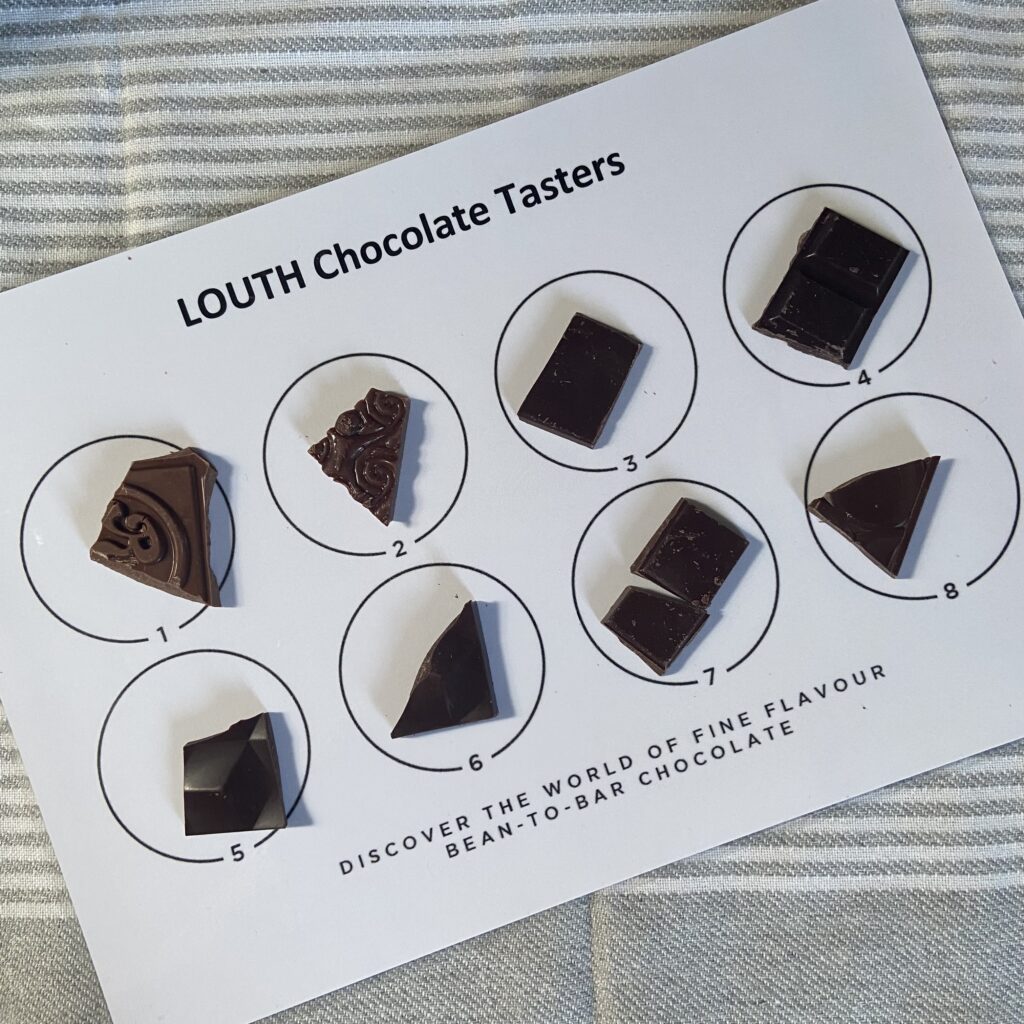
For me, community tasting is about discovering.
You don’t need to be an expert or a trained taster, you just need to know the basics on how to identify craft chocolate and how to taste it. A community tasting club then gives you the opportunity to share that knowledge, pool resources, try chocolate you might not otherwise buy and work out what you like – and what you don’t – in a relaxed and encouraging environment.
We talk about cacao farming, supply chains, ethics, sustainability, health and the challenges facing the craft chocolate sector. But we also remember that chocolate is ultimately about pleasure. And the pleasure of craft chocolate comes from its complexity and diversity – and for us - sharing that experience with other people.
The more you taste and learn, the more you realise there is to explore: origins, genetics, farming, fermentation and drying, makers and their different approaches, recipes, inclusions and infusions, bonbons, drinking chocolate and pairings. You can even use chocolate to explore the differences between craft and industrial premium chocolate.
I’ve learnt as much about chocolate – and about what people like about chocolate – through our tasting club as I have through professional tastings. In fact, the club gave me much of the confidence and inspiration to go on to work professionally in chocolate.
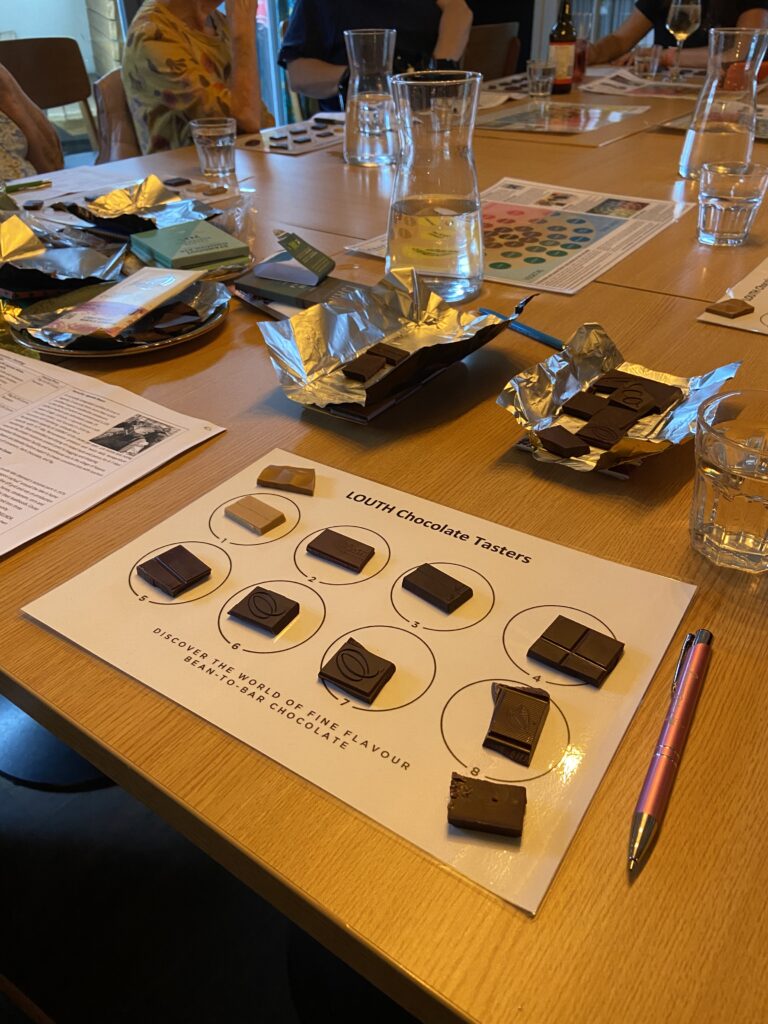
You can start a tasting club with a group of friends around your kitchen table. We wanted to make ours open to a wider community, so finding the right venue was important.
I also found it useful to have someone to share the idea with. I partnered with our local chocolatier Lindsay Gardner, then of Spire Chocolates. We already knew that we shared an interest in finding and sourcing interesting chocolate, and having two people involved made planning the sessions more interesting – and gave us two perspectives.
Our club meets monthly in the restaurant area of our local pub, The Brown Cow in Louth. We meet on a Monday evening when the restaurant isn't open, although members can still buy drinks at the bar. We can accommodate around 25 people and usually have 15–20 regularly attending.
A café, community room or other local space could work just as well. Think about the size of group you want, accessibility, temperature and, importantly, access to water for palate cleansing.
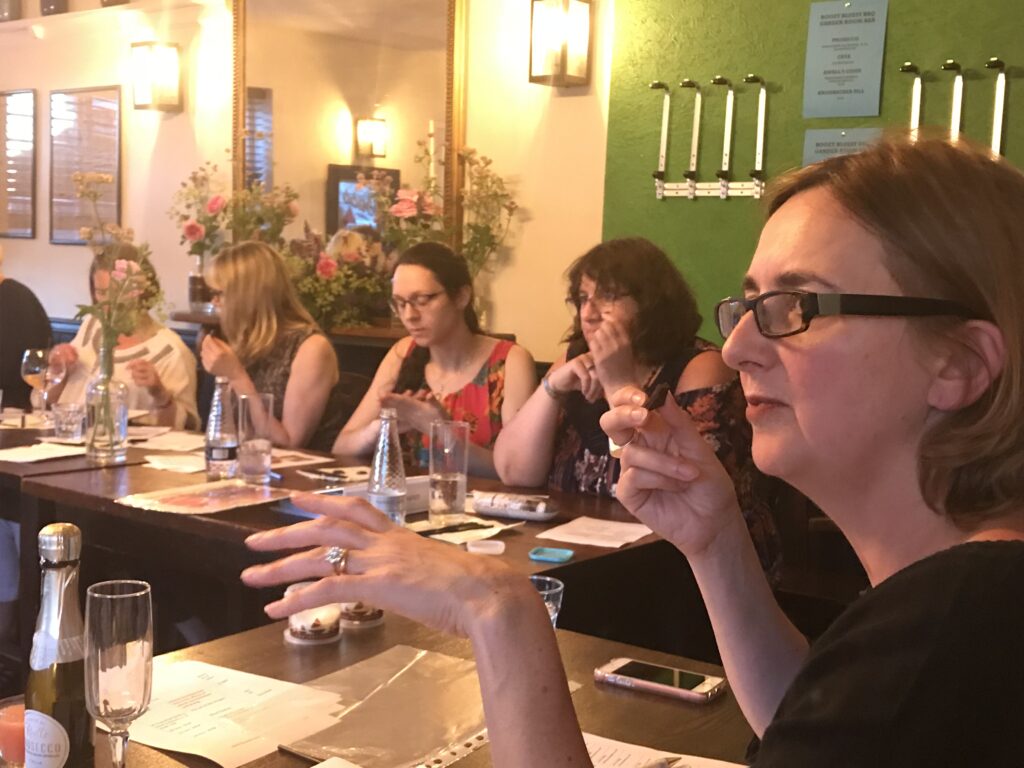
We meet once a month. That gives us enough time to plan and source the chocolate without it becoming a burden, while keeping the momentum going.
Over the years, we’ve settled on a format of around eight chocolates in a two-hour session. That gives people enough variety to find something they like, while still allowing time to explore a theme without overwhelming the palate – or our budget.
We started with chocolate bars, but the possibilities have grown. We now include more flavoured chocolate, chocolatier products, bonbons and other cacao-based products.
You don't need elaborate tasting equipment either. We started with individual printed tasting sheets, but discovered that although some people loved recording every detail, others were perfectly happy with a simple list and their own notes. So we adapted and now produce a list and people print their own tasting notes sheets is they want to. You will find examples in the resources section at the end of the blog.
One of the best things about a tasting club is the sheer number of directions you can take it.
You might explore a particular origin, compare different makers, look at award-winning bars, try flavoured chocolate or organise a blind tasting. You could explore milk chocolate, dark milk, inclusions, seasonal collections or chocolate pairings.
The possibilities really are endless – that's the rabbit hole again.
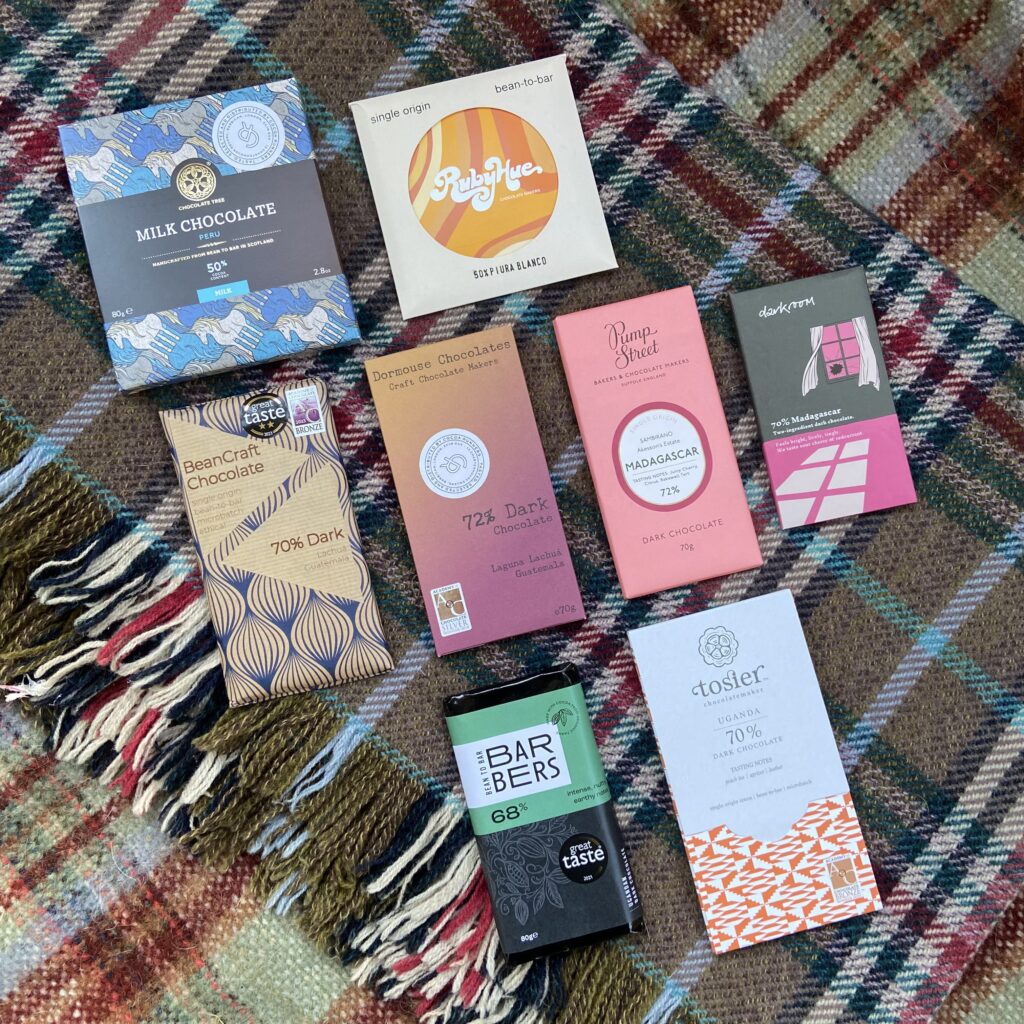
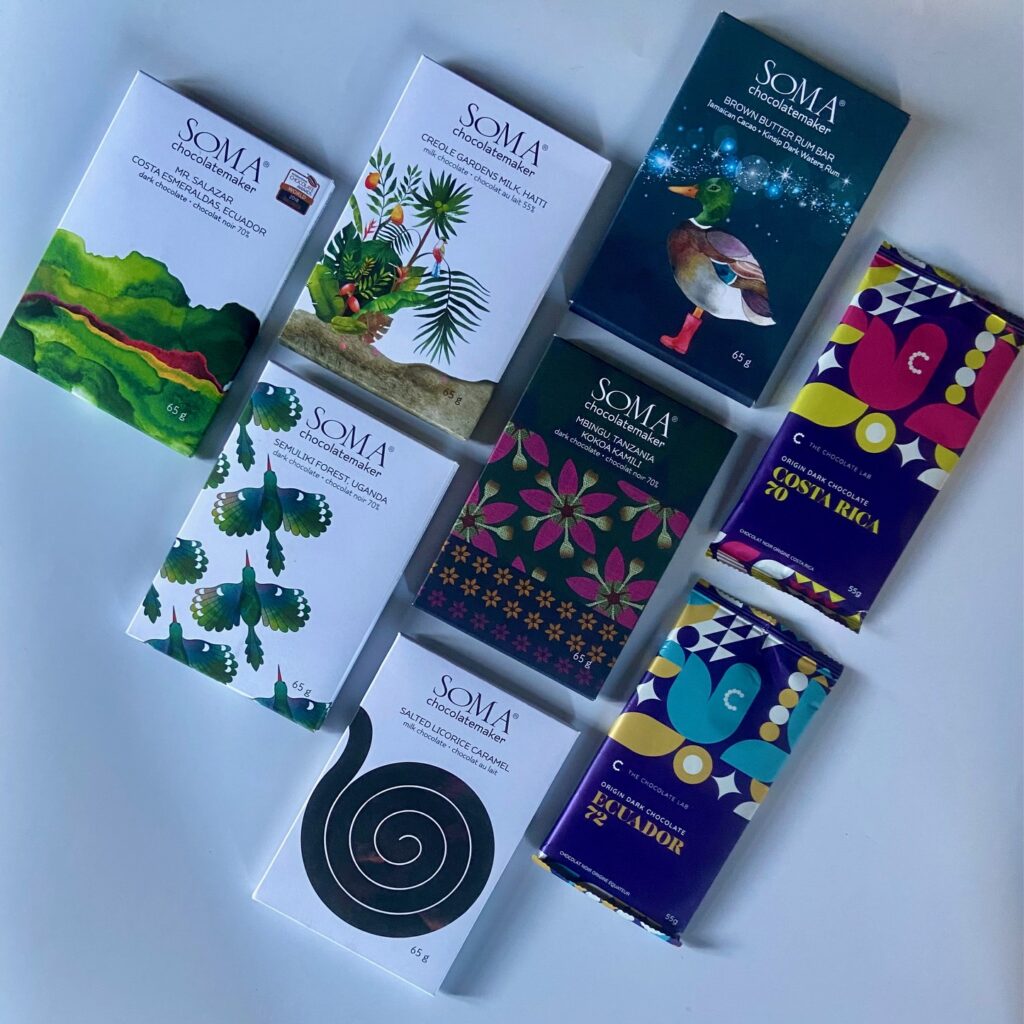

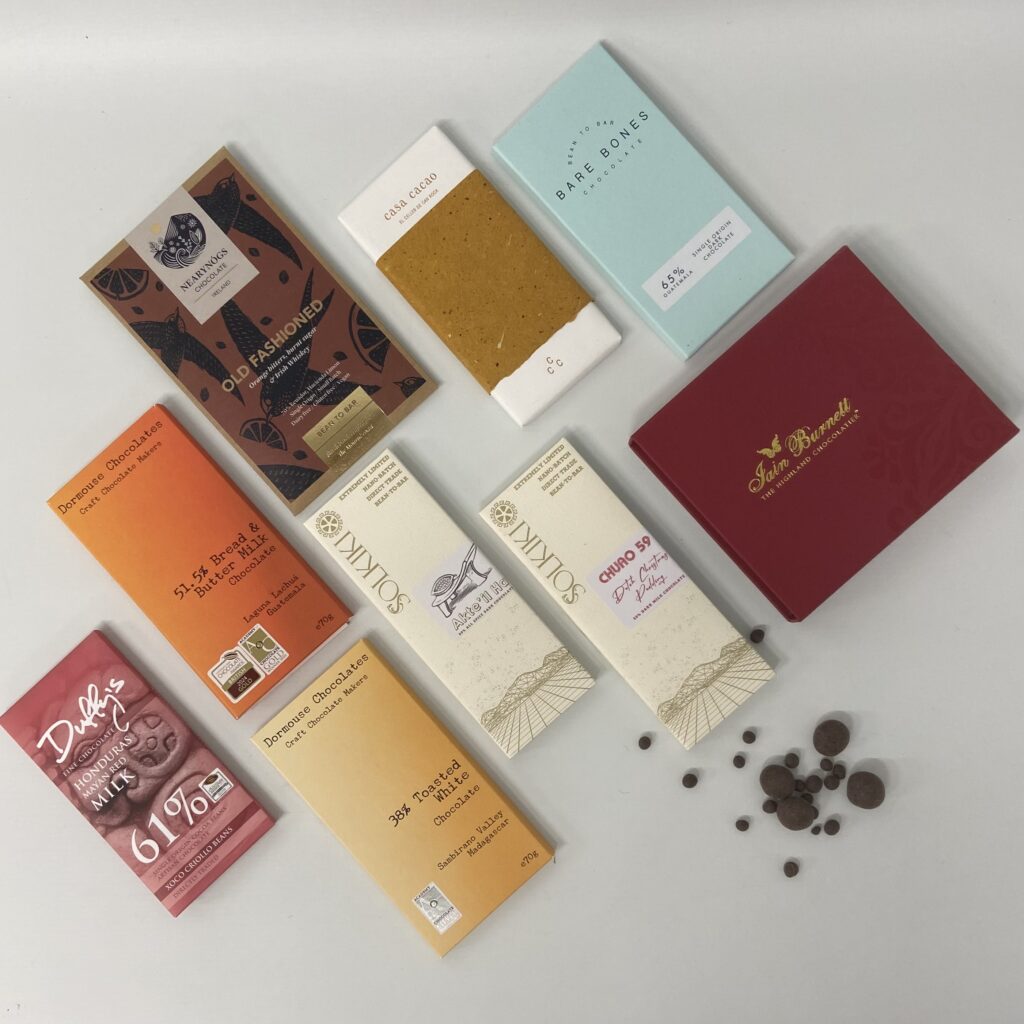
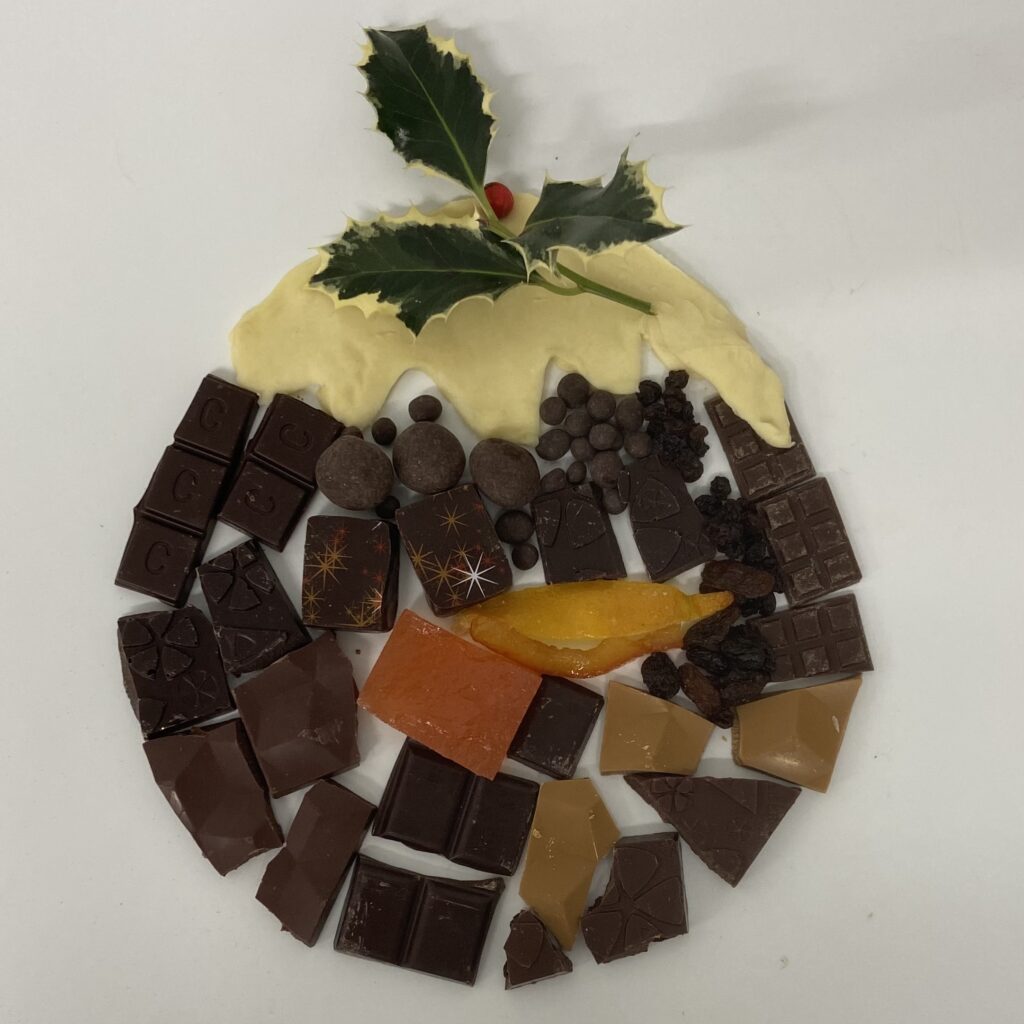
In the early days, we planned a programme in advance so people knew what to expect. We now choose the theme month by month. Sometimes a member will suggest a topic or curate a session, particularly if they are travelling. We have done bars from the US, Canada, Australia, Peru, Sicily and Spain as a result of member trips.
If you have a local maker, inviting them to curate a tasting can also be a great way to bring another perspective into the group.
And don't be afraid to repeat a popular tasting. Trying different chocolates around the same theme can be just as interesting as constantly looking for something new.
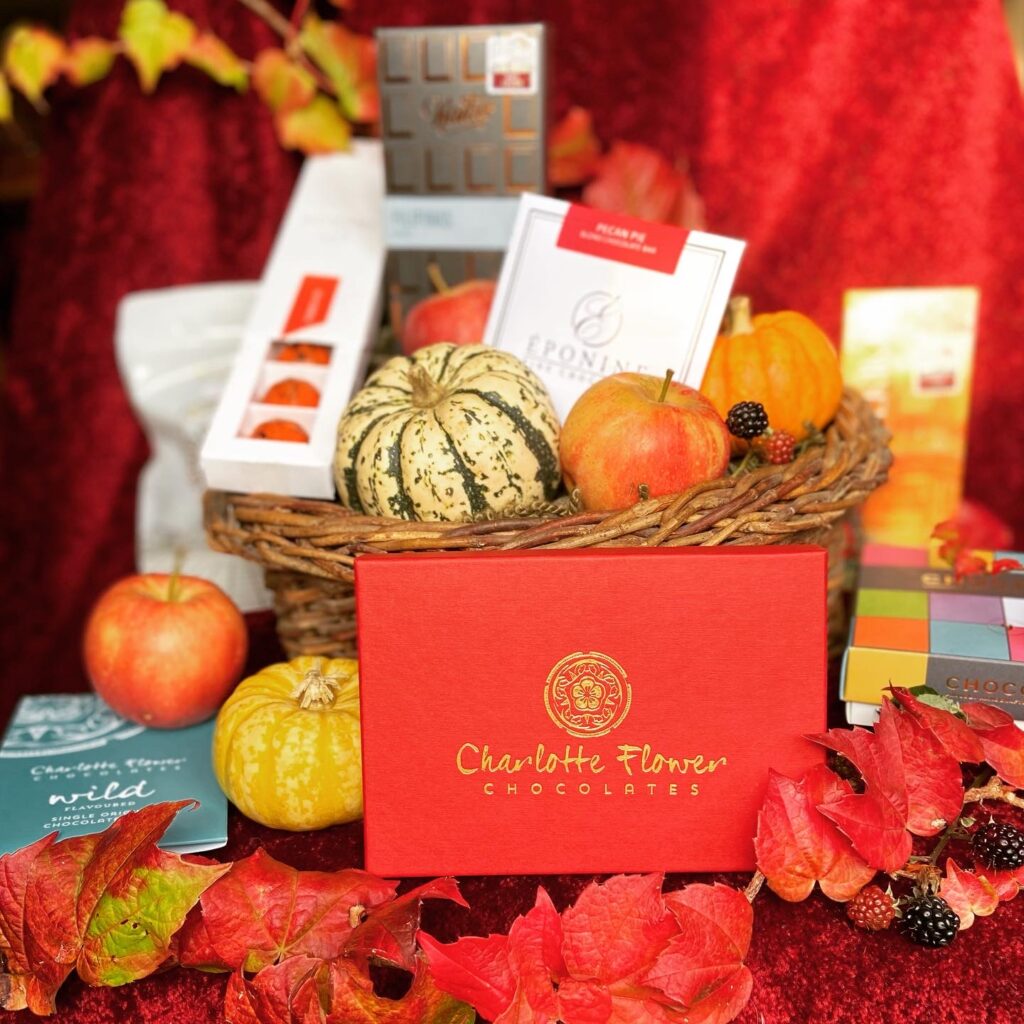
From the beginning, we decided to charge a set amount per session and keep a kitty. That covers the chocolate and the various costs that come with running a tasting – postage, printing, and the little things you don't necessarily think about at first.
We started at £7.50 per session for a bar tasting, with a higher price when bonbons were included. Nearly ten years later after a small increase to £8, we’re only just increasing the session fee to £10.
One of the advantages of a club is being able to share the cost. Eight interesting craft chocolates for the price of a single bar is still a pretty good deal! Of course with venue costs the price will be higher.
It’s also important to know who is coming before you order the chocolate. We’ve tried different ways of managing this over the years and have settled on asking people to let us know by a set date. Inevitably there will be the occasional no-show, but we have a system that works for us.
We’ve never asked makers for free chocolate to sample. That said, we certainly don't turn down a bar if a maker wants to share one with us for honest feedback!
The most important thing when you run a tasting is to remember that there is no right or wrong answer.
For a first session, I’d explain how you’re going to taste the chocolate and give people some simple guidance. But then let them explore.
Slow down. Use all your senses. And melt, don't munch.
Some people will immediately start describing everything they taste. Others will sit quietly and think about it. Some people are brilliant at identifying flavours; others will tell you they never taste what everyone else is describing.
That's fine, as long at they enjoy it.
The point isn't to produce a room full of professional tasters. It’s to give people the opportunity to try things they wouldn’t normally try and become more confident in recognising what they like and don't like.
We usually finish with a vote for our favourite chocolate. It’s always interesting to see what wins, and it’s often not what you expect.
Looking back, we've had people who have come to almost every session, people who came once and decided it wasn't for them, people who come whenever they can, and people who were regulars for several years before moving on.
That's part of what makes it a community.
We even managed to keep going through Covid, adapting the format so that members could collect tasting samples and join us online.
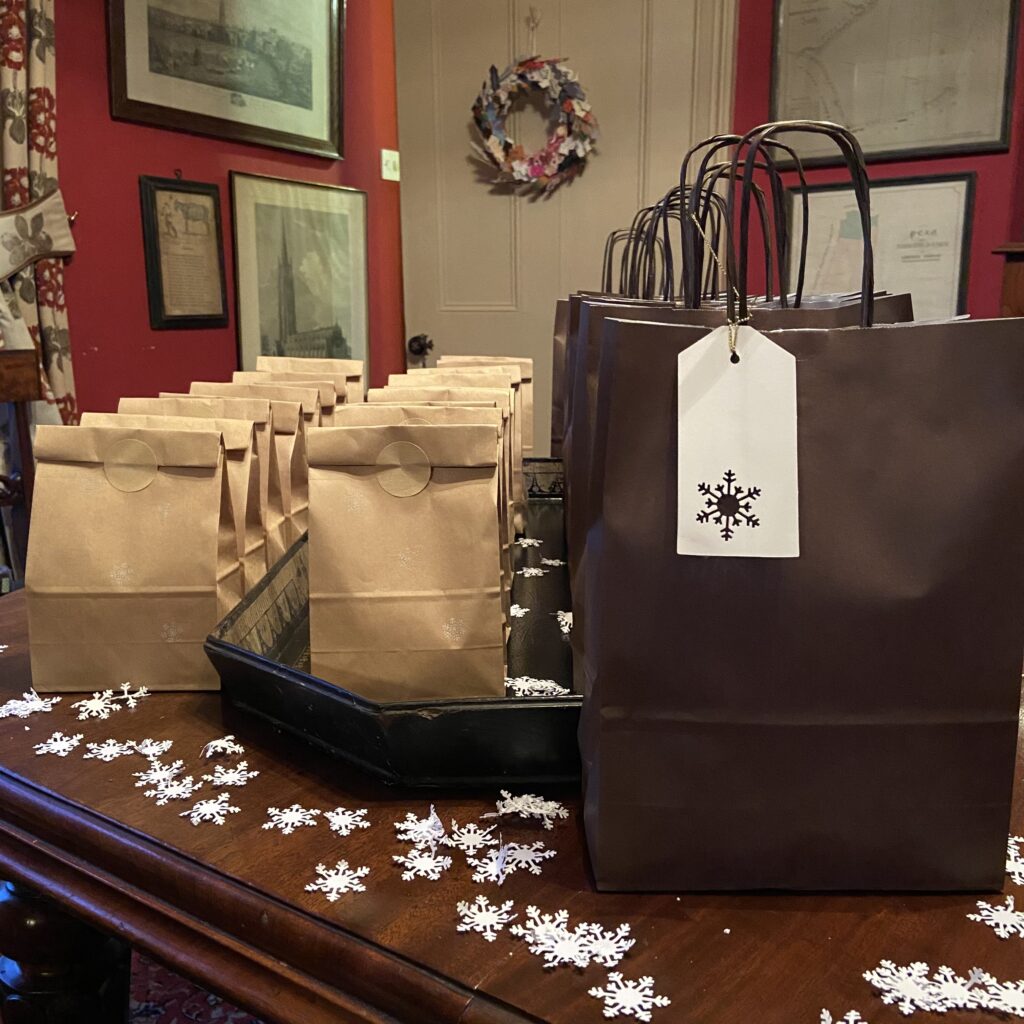
The club has also developed in ways I never really anticipated. Some members have gone on to do professional chocolate tasting training with me. Others are perfectly happy simply to taste, learn but most are surprised at how their their palate changes.
We've also discovered that a tasting club can be useful beyond the tasting itself. We sometimes organise group buys when someone is visiting a maker or placing an order – sharing postage or giving other members the opportunity to try something they might not otherwise have access to. And I know that the family and friends of our club members get the very best chocolate gifts!
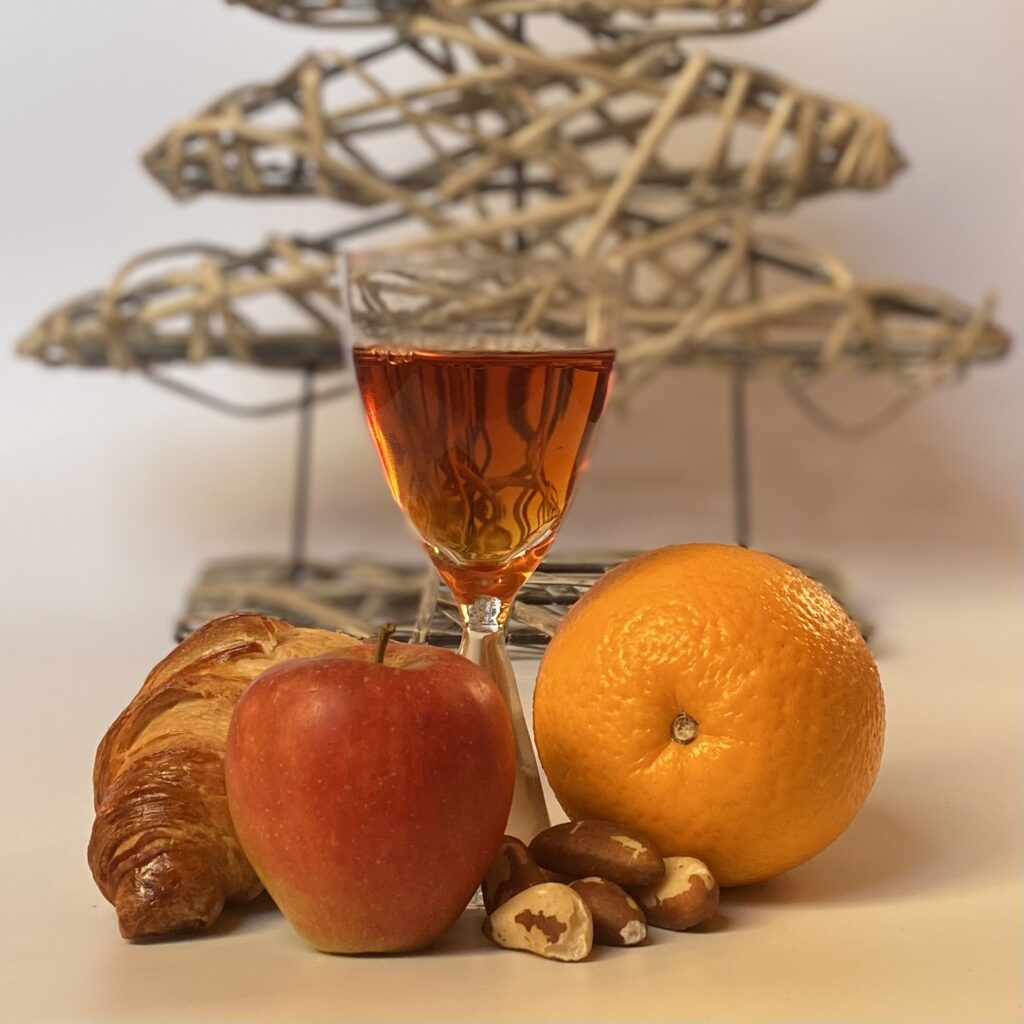
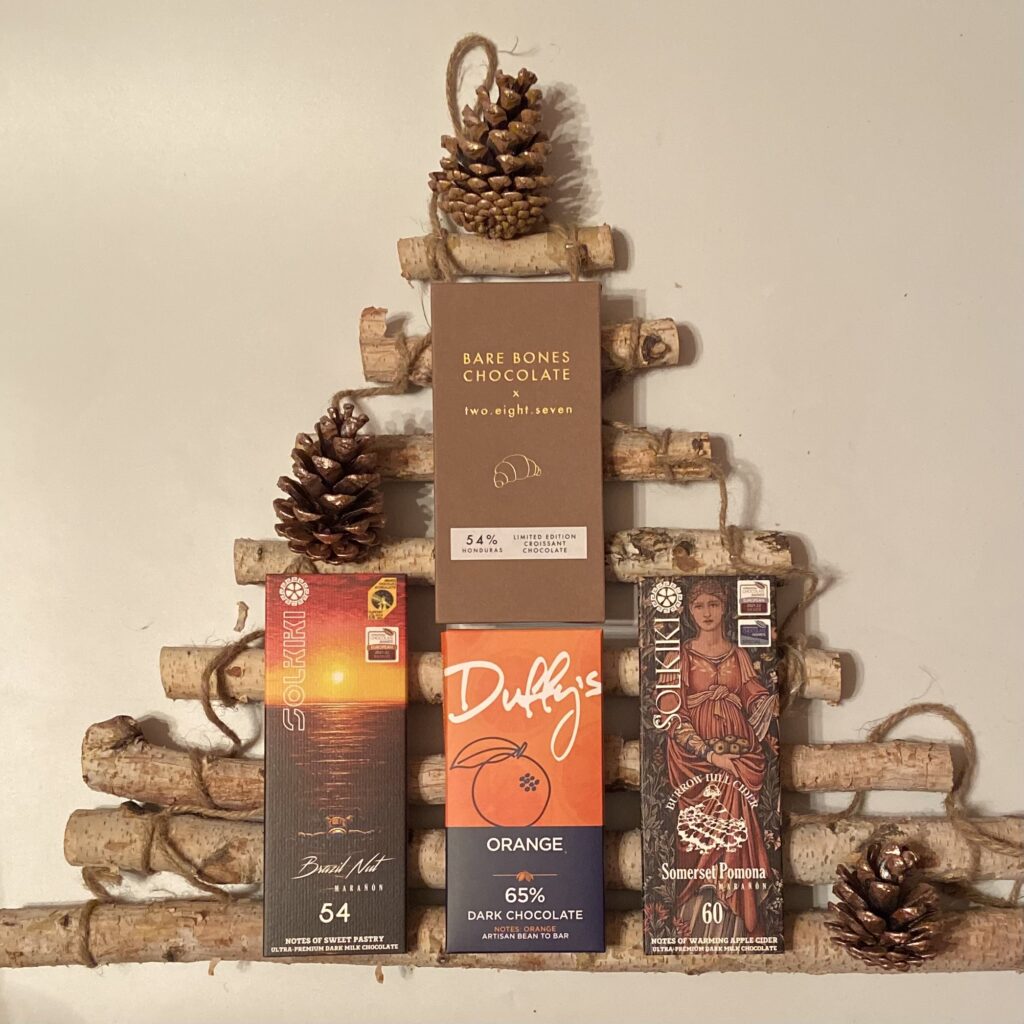
There is plenty to take seriously about chocolate.
We talk about cacao farming, supply chains, ethics, sustainability, health and the challenges facing the craft chocolate sector. But we also remember that chocolate is ultimately about pleasure. And the pleasure of craft chocolate comes from its complexity and diversity – and for us - sharing that experience with other people.
People come to a tasting club because they are curious and the people who stay are the ones whose curiosity keeps growing.
And perhaps that is the best reason to start one.
You don't need to be an expert. You just need a few people who are curious, some interesting chocolate and a willingness to explore.
The rabbit hole is waiting!
Ready to give it a go? I've pulled together some of the resources I've developed and used over the years to help you set up and run your own community craft chocolate tasting club.
Know your chocolate
If you want to brush up your chocolate knowledge and understanding of how to appreciate and distinguish fine chocolate, you can invest a couple of hours in my Appreciation of Fine Chocolate On-demand course. And as a reader of this article, you can use this 10% discount code to help get started BLOG-AFC-10
Sample programmes
Our first 6 month programme from Louth Chocolate Tasters
Other programme examples:
Templates for Tasting Sample Mats & Tasting Lists
Editable word templates you can use for your community club [Not for use in commercial tastings]
Tasting Evaluation Notes
Flavour Charts
There are lots of different flavour charts available, here are just a few options we have found most useful.
IICCT Chocolate and Cacao Flavor Profile Map
Hazel Lee’s Taste With Colour Map (for purchase not for reproduction)
Make sure to follow my Instagram for inspiration for community club lines ups!
What are you waiting for?
Go for it! And let me know how you get on and please contact me if you have any questions or need any help.
I thought, I knew what good chocolate was and I thought Fairtrade meant cocoa farmers were getting a better deal — I even campaigned for it when it first launched in the 1990s. I gave presentations in schools and made myself a little unpopular encouraging people to switch to Fairtrade tea, coffee and chocolate - which, if I’m honest, didn’t always taste that great - but it was all for the greater good.
I discovered Divine, Green & Black’s, and Montezuma’s — drawn in by their revolutionary approach to sourcing and ethics. I even started buying higher cocoa percentages, convinced that quality was somehow linked to the number on the label.
And for years, I thought that was it — that I was doing the right thing, eating “good” chocolate, and supporting a fairer system.
But then I had a bit of an awakening. I found a different type of chocolate.
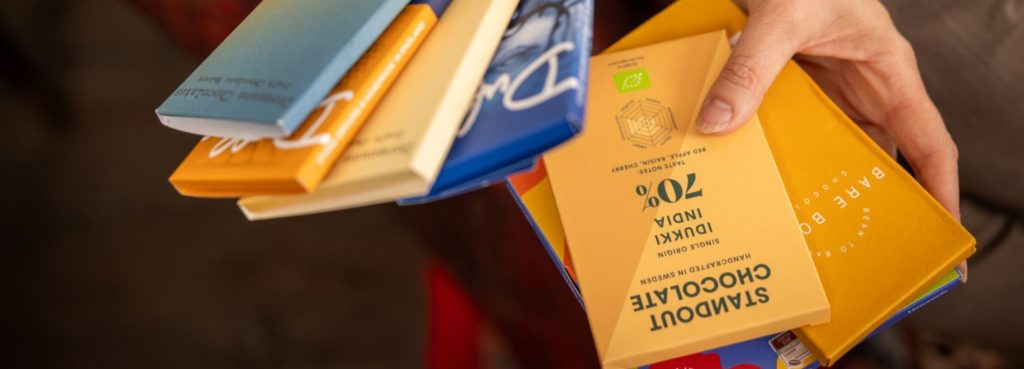
And honestly? It blew me away.
It wasn’t the ethics or the story that caught my attention at first — it was the taste. The flavours were unlike anything I’d ever had before. I was tasting dark chocolate bars from different origins with no bitterness but different flavour notes in each one - all from nothing but cocoa beans and sugar.
That “wow” moment completely changed how I thought about chocolate. I suddenly realised how little I actually knew about what went into the bar, where it came from, who was involved in making it, and how little Fairtrade actually meant to the farmers it aims to help.
So, I wanted to learn everything I could. I started reading, tasting, asking questions — and eventually I found the IICCT chocolate tasting courses. What began as curiosity turned into a bit of an obsession, but a good one!
Before long, I was teaching others how to taste chocolate — friends and enthusiasts at first, and then professionals, anyone who wanted to really understand chocolate rather than just consume it.

There are still so many people who proudly tell me they always buy Fairtrade because they believe that’s the best they can do — and why wouldn’t they, if they’ve never been introduced to anything better - for flavour and ethics?
What’s more frustrating though, is hearing food professionals praise industrially produced chocolate, with its limited and sometimes even downright unpleasant taste experience — as if it represents the best there is. It’s hard to believe that so many of them have still never discovered the depth, diversity, and taste experience of craft chocolate but this still seems to be the case and as a community we are trying hard to change this.
One of the ways I am helping is by creating a short on-demand course: An Appreciation of Fine Chocolate.

If you are looking for better chocolate, a micro-learning course - with the option to add a tasting box - will give you the knowledge and some simple tools to help you understand what good chocolate really is, not just what the marketing says it is.
This is just an introduction. You can go on to explore and dive deeper with professional courses, or connect with makers and retailers who can guide you further. But by taking the course you’ll know what you are buying, what better chocolate really is and what it can offer when you taste it. It will give you knowledge - and hopefully a curiosity - about the people, places and processes behind it.
That’s the gift I would like to give.
Curious to learn more?
Visit my listings on the Cademy online education site to explore the on-demand courses and discover how to taste, understand, and enjoy chocolate like never before. Link to Cocoa Encounters Cademy Site for Bookings and Vouchers
When introducing people to the flavour experience of craft chocolate, I feel it's quite unfair to compare it to a dark confectionery bar like Bournville. Yet in the new Cadbury campaign — “Unpretentious, uncomplicated, made to be enjoyed (not endured)” they deliberately contrast their simple and crucially sweet Bournville bar with the complexities of craft chocolate.
Clearly, it’s time to go back to basics and redefine chocolate.
The team behind the Bournville campaign are working on the assumption that for most of us, chocolate means one of two things: the sweet, familiar kind, comforting, nostalgic, and easy to love, usually found in the confectionery aisles – or the serious dark stuff - intense, bitter, ethical and a little pretentious in its claims.
But craft chocolate is a third category entirely.
It's a new tier of chocolate: generally absent from supermarkets, less visible, and as the Cadbury campaign illustrates, often mistakenly confused with the intense, “pretentious” premium dark variety.
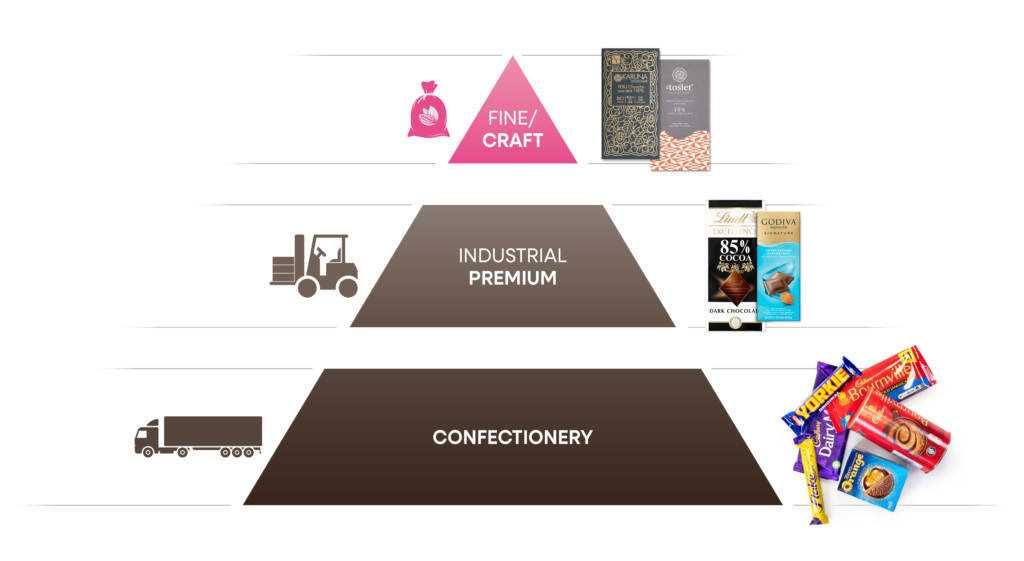
So here’s Chocolate, Redefined using the criteria of Taste, Transparency and Craftsmanship.
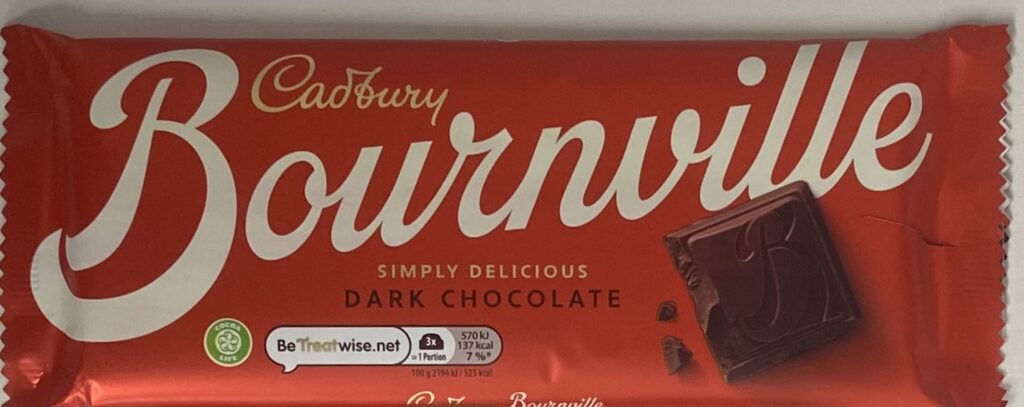
Let’s start with what we know best - confectionery, here in the classic form of Cadbury Bournville, first launched in 1908 and named after Bournville town, - once a model of corporate responsibility.
Taste: Simple, sweet and nostalgic. But I challenge you to really taste it and decide for yourself how delicious it really is. For me there’s a strong aroma of desiccated coconut with a taste that appeals to your sweet tooth but it's fatty and dominated by that lingering coconut and something resembling old oil.
Transparency: A Mondelez “Cocoa Life” badge and a promise of "sustainably" sourced cocoa. The basics and arguably more a reassurance device than an act of social reform.
Craftsmanship: Industrially manufactured from 36% cocoa solids. Sugar is the first ingredient, palm oil is the third and milk powder is the last!
Chocolate in dark form but made for sweet cravings.
Price: 180g bar £3.00 for (£1.66 per 100g)
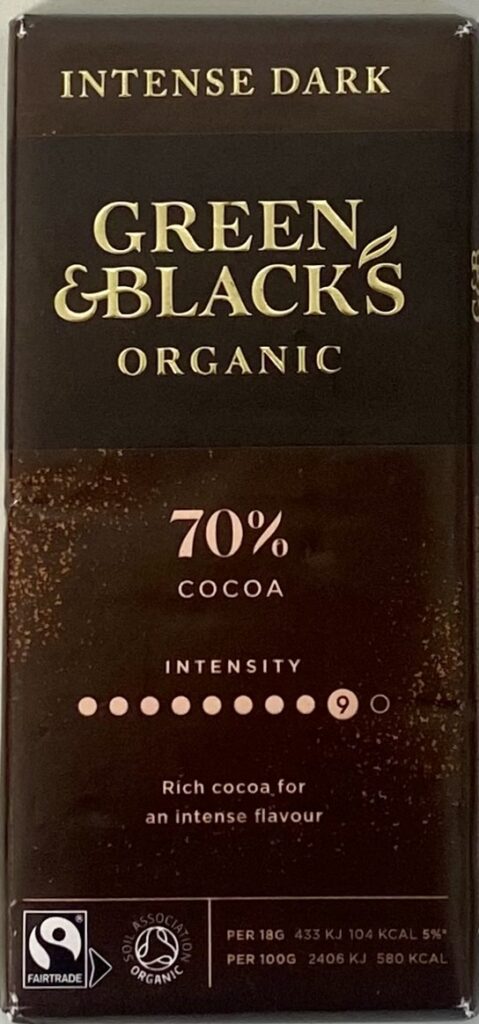
Next, a step up - Green & Black’s, also owned by Mondelez. The first UK Fairtrade chocolate bar, once celebrated for introducing dark chocolate with principles, it now markets intensity levels, with its organic and Fairtrade status quietly relegated.
Taste: So now we can taste the cocoa beans but mainly their bitterness, tamed by the vanilla extract making it dark yet approachable.
Transparency: Once sourced from a cooperative of small holders in Belize, it is a blend from that premium pool of organic and Fairtrade beans with no mention of origin.
Craftsmanship: Made with beans “dried in the scorching sun” indicating more marketing gloss than skilled post-harvest practices - where scorched beans would be most unwelcome! Still industrial, though with fewer ingredients and vanilla to soften the bitter edges.
Chocolate made to appeal to our better nature.
Price: 90g £3.00 from Co-op, (£3.33 per 100g)
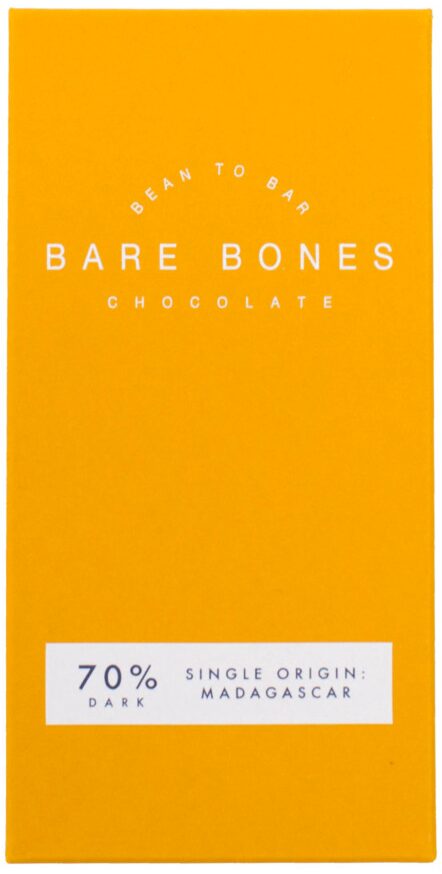
Then there’s chocolate that changes everything.
Bars like Bare Bones Madagascar have a new story to tell. Not a story of corporate take-overs, generic sourcing and low impact sustainability but one of beans grown and crafted with respect for both the producer and the consumer.
Taste: Not bitter but fruity and vibrant, with flavour notes that evolve, the bright fruits mellowing and deepening into brownie and dark sugar tones. The taste of the beans themselves.
Transparency: Cocoa beans sourced from a specific cooperative of 47 shareholder farmers with the bean to bar process done in a small-scale chocolate factory in Glasgow.
Craftsmanship: Wooden box fermentation and sun-drying on patios at origin and a true bean-to-bar process, expressing the natural flavour of the beans with only three ingredients.
Chocolate made to be tested, and appreciated by those of us with a real interest in flavour and provenance.
Price: 70g bar £7.50 from bareboneschocolate.co.uk (£10.71 per 100g)
So, if you are looking for the best, top-tier, dark chocolate or buying for someone who cares – ask three simple questions:
Taste: Am I tasting sugar, vanilla or an intense cocoa bitterness or the natural flavours of fine cocoa beans?
Transparency: Do I know where the cocoa beans are from, how they've been handled and where the chocolate was made?
Craftsmanship: Was it industrially made to reflect the brand or crafted to express the natural flavours of the beans?
Knowing about the three types of chocolate helps you cut through the marketing spin to find dark chocolate that you really can enjoy rather than endure.
Visit my listings on the Cademy online education site to explore the on-demand courses and discover how to taste, understand, and enjoy chocolate like never before. Link to Cocoa Encounters Cademy Site for Bookings and Vouchers
Milk chocolate is our nation’s favourite block chocolate. We will typically eat more than twice as many milk bars as dark bars in our lifetime. (Read, 2018). In general, our preference for sweet diminishes as we reach adulthood; the sweet allure of our mother’s milk fades as we mature. Not so for chocolate, it would seem.
Perhaps we are worried about the US research demonstrating a relationship between the enjoyment of bitter foods and psychopathic tendencies (Sagioglou & Greitemeyer, 2016) or maybe we just cannot resist the ability to return to the familiarity and comfort of our childhood.

As a child of the seventies, I feasted on Cadbury Flake and Diary Milk, I stole my brother’s milk chocolate Yorkie bars, drank sweet hot chocolate whenever I could find it and coveted a milk - not dark - Terry’s Chocolate Orange whenever a special occasion presented itself. But well before Kim Wilde and Jason Donovan were on our screens with a new ‘grown-up’ Cadbury dark milk chocolate, I had already found what I considered to be more grown-up swaps for my adolescent favourites. Although some of these include higher percentages of chocolate, they all continue to fulfil my emotional needs along with my desire to take on a more grown-up attitude to chocolate.

This taste experience, I am sure I will never grow out of.
A Cadbury Flake. My absolute favourite but sadly, as the delicate flakes melt in my mouth, my palate can no longer taste the creamy chocolate flavours I remembered in my youth. I have swapped the milk, sugar, 25% cocoa solids, vegetable fats, emulsifiers and flavourings for just three simple ingredients: 38% partially ground Criollo cocoa beans from Chuao in Venezuela, milk powder and whole crystals of unrefined organic cane sugar. The aroma gives that familiarity and promise of childhood indulgence. As the grains melt and mingle you experience central chocolate flavours with nuances of hazelnut, cream and sometimes even a hint of strawberry and then you are left with a satisfyingly lingering aftertaste.
This taste experience, I am sure, I will never grow out of.

A good milk replacement bar is one that delivers a balance of contentment and character.
Having tasted so many superb craft chocolate milk bars, it was difficult to choose a swap for a straight Dairy Milk block. My choice is a raise trade bar, made in the same country as the beans were grown, in this case Peru. For me, a good milk replacement bar is one that delivers a balance of contentment and character, without being too sweet or too milky.
This Marana bar is made with ‘Blanco’ or white beans from the valleys of Alto Piura in Peru and their characteristic floral and citrus notes combine harmoniously with the comforting creamy chocolate flavours. The character comes from the ancestry and craftsmanship involved in the growing of the cocoa beans making up a very grown-up 50% of the bar.

I don’t know if my determination to enjoy a Yorkie bar (even it if meant theft!) was due to being told that it wasn’t for girls or just because of the immensely satisfying chunky mouthfeel. I have since found that the shape of the York Cocoa House classic 50% milk bar delivers that same guilty pleasure. This time the indulgent sweetness is carefully balanced with rich notes of coffee, cocoa and cream from the bold and straightforward taste of cocoa beans from Idukki, Kerala in India.
I can no longer see this bar on the York Cocoa House website, but they do have a 50% Dominican Republic milk bar which I would try instead. You need to buy the 70g bar for the full chunky Yorkie bar effect.

Perfect for releasing that love hormone, oxytocin.
It was always a bit of a disappointment to find the red Bournville cocoa tin rather than the purple Cadbury one in mum’s cupboard but, sweetened with spoonfuls of white sugar, it served its purpose. Now, if I need a hot chocolate hit, I put a few pieces of dark bean-to-bar fine chocolate in a cup, add 2-3 cm of hot water and a sprinkling of organic cane sugar and whisk until frothy. But when I crave comfort, I turn to the deep earthy chocolate flavours of Lucocoa’s Haitian cocoa beans melted in hot milk and given a malty edge by the addition of lucuma and coconut sugar. Perfect for releasing that love hormone, oxytocin.

Where milk chocolate held warmth and familiarity, for me, as a child, dark chocolate represented something exotic and different. The Old Jamaica bar was the only exception to my obsession with milk chocolate. The added raisins punctuated the bitterness of the chocolate, making it bearable and, of course, it tasted of rum. Positively adult! Sadly, the relaunched Old Jamaica bars are a soulless replacement for the look and taste of the Caribbean and adulthood, no longer representing difference just more standardisation.
Pump Street Chocolate’s dark and mysterious 70% Jamaica bar, however, made with beans from grower Desmond Jadusingh from the Bachelor’s Hall Estate in Saint Thomas, is a very complex and grown-up alternative. There are notes of rum, sweet brown sugar and a touch of smoke in the aroma. The melt delivers the memories of those sweet juicy raisins, then warmer honey and caramel notes moving on to rum and a cigar astringency on the finish. A celebration of difference.
This was my real coming-of-age bar: a sensory and emotive experience involving passion, respect and responsibility.

Finally, my beloved Chocolate Orange. What could replace the excitement and smell of a milk chocolate orange? I felt bereft when I realised the combination of orange and dairy no longer held any allure for me. Then I found the sharp, fresh, zesty taste of natural orange oil was far better suited to the rich tropical fruit notes of a dark but sweet Dominican Republic chocolate.
This bar has been crafted to perfection in small batches by Duffy Sheardown, a former Formula One engineer. But it’s not just the precision of the maker and the character of the beans that gives this bar its sense of occasion. Like with all the other swaps I have mentioned, there is no dark side to this chocolate. This bar gives the gift of Christmas as the beloved Chocolate Orange did, but not to the layers of middlemen in the confectionery industry, but instead to the Dominican Republic growers, Duffy the maker and me.
This was my real coming-of-age bar: a sensory and emotive experience involving passion, respect and responsibility.

https://www.somachocolate.com/products/old-school-milk-chuao-bar
https://www.marana.com.pe/en/pages/about-us
https://www.yorkcocoahouse.co.uk/
https://www.lucocoachocolate.com/
https://pumpstreetchocolate.com/
https://www.duffyschocolate.co.uk
Blog post https://cocoaencounters.co.uk/2021/01/09/sensory-memories-with-julian-barnes-and-craft-chocolate/
FMCG Gurus, 2020. FMCG Gurus: Chocolate Trends Within The UK 2020. [Online]
Available at: https://fmcggurus.com/blog/fmcg-gurus-chocolate-trends-within-the-uk-2020/
[Accessed 10 March 2021].
Giller, M., 2019. The Kitchn: The Best Milk Chocolate Treats for Grown ups. [Online]
Available at: https://www.thekitchn.com/the-best-milk-chocolate-treats-for-grown-ups-253819
[Accessed 10 March 2021].
Hawken, A., 2014. British Baker: Finished Goods: UKs Chocolate Consumption Habits Revealed. [Online] Available at: https://bakeryinfo.co.uk/finished-goods/uks-chocolate-consumption-habits-revealed/618758.article
[Accessed 10 March 2021].
Read, J., 2018. Voucher Codes: Press: Infographic: A Lifetime of Chocolate. [Online]
Available at: https://www.vouchercodes.co.uk/press/infographics/VoucherCodes-Lifetime-Chocolate [Accessed 7 April 2021].
Sagioglou, C. & Greitemeyer, T., 2016. Individual differences in bitter taste preferences are associated with antisocial personality traits. Appetite, 96 (ISSN 0195-6663), pp. 299-308.
The Grocer, 2019. The Grocer: Trend Reports: Portion control, sustainability and daily fixes: 10 charts explaining UK attitudes to confectionery. [Online]
Available at: https://www.thegrocer.co.uk/trend-reports/portion-control-sustainability-and-daily-fixes-10-charts-explaining-uk-attitudes-to-confectionery/595282.article
[Accessed 10 March 2021].
In a 2017 article, Sharon Terenzi, The Chocolate Journalist asked if price was the best indicator for quality chocolate and made a good argument for it being the most reliable one.[1] I agree, that if you are looking at bars in the £6 plus range then it is more likely to deliver on taste and also on the other criteria I have learnt to judge my chocolate on: transparency and craftmanship.
But what about the middle ground - the £4 - £5 range? Early on in my chocolate journey, I came across a bar made by Original Beans. Craft chocolate at £3.95? After everything I had learnt about fine chocolate, I was sceptical. Why was Cocoa Runners selling chocolate for less than £4?[2] Menakao bars from Madagascar too, at just £3.95.[3] I have since learnt that they are indeed fine bars, but to help you understand what you can buy at this price point, I have taken two £4 bars to see how they compare, firstly in terms of transparency, craftsmanship and then in terms of taste.
As a comparison to the Original Beans bars, I have chosen a brand I came across more recently, Love Cocoa, marketed by James Cadbury the great-great-grandson of Cadbury’s founder, John Cadbury.
We want to know as much as we can about the beans, where they are grown and who grows them.

At £4, the Love Cocoa bars are beautifully packaged in plastic-free packaging, demonstrating the brand’s sound environmental principles. They also champion a one bar = one tree scheme, working with cocoa farmers in northern Cameroon to plant 500,000 trees in partnership with Trees for the Future.
This is all great, but as fine chocolate lovers we also want transparency. We want to know as much as we can about the beans, where they are grown and who grows them. We want to know about the supply chain and how much the farmers get paid.
The website tells us they are making chocolate in a way that is “loved by you, the planet and its people”.[4] Their packaging clearly states that their chocolate is ‘slave-free’ and they share in their ancestor’s ambition to make something "absolutely pure, therefore the best". They make artisan chocolate bars using the finest South American cacao[5], in this case simply single-origin Colombian and Peruvian chocolate (we are told no more).
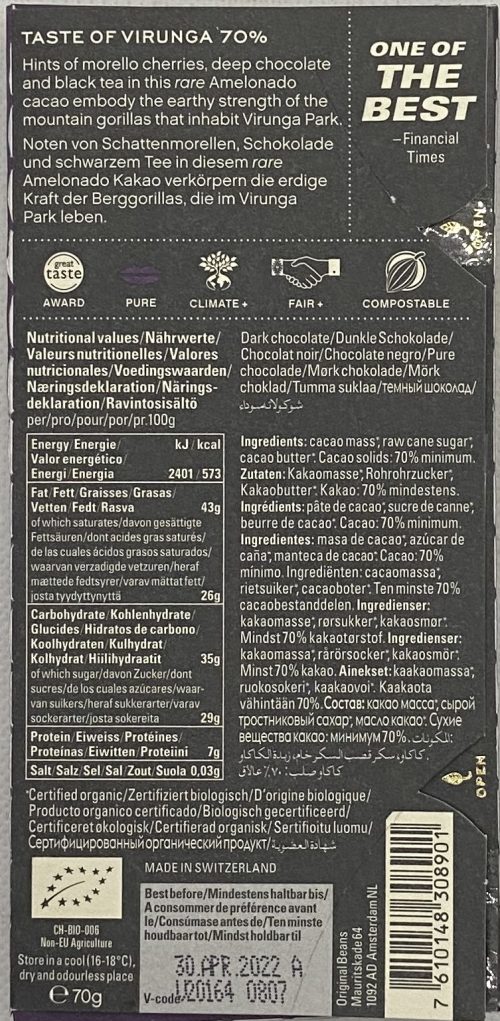
The Original Beans bars start at £3.95 with their 42% Esmeraldas milk bar and 70% Virunga bar. We don’t need to look very far to find out about their cacao: the rare Arriba beans from the Esmeraldas Coast, Ecuador’s last Pacific cloud forest; and the Amelonado beans grown in the Democratic Republic of Congo's Virunga Park. We can meet the team on the website, and find out how they are involved directly with the growers, working with their communities to create sustainable incomes and preserve the biodiversity of the places where they live and grow cacao.[6] The prices paid in relation to the market and ‘fairtrade’ prices are clearly displayed[7] and their ‘one bar: one tree’ system means they pay farmers an additional amount to plant cacao or neighbouring shade trees. [8]
Chocolate makers come in different sizes but they will control, influence or understand every part of the process, to deliver the required flavour.
As soon as the pod is cut from the tree, the skill of the farmers, fermenters and makers all influence the taste experience of the bar. Chocolate makers come in different sizes but they will control, influence or understand every part of the process, to deliver the required flavour. The alternative method of making chocolate is taking pre-made chocolate, called couverture and melting it down to mould into bars or filled chocolate. The work of a chocolatier rather than a chocolate maker.
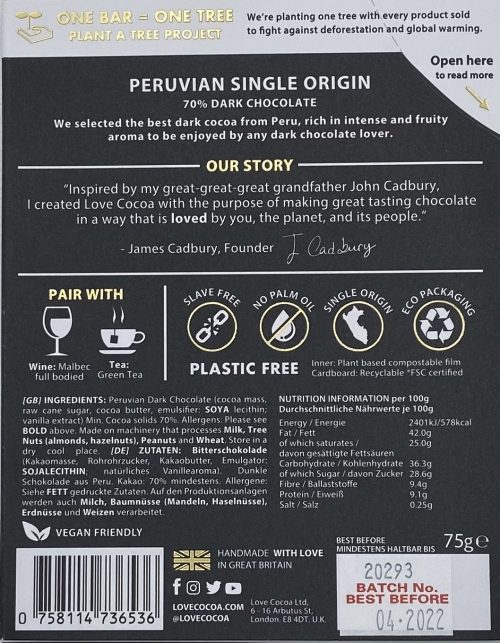
Love Cocoa’s bars are handmade with love in Great Britain and are manufactured in a family-run factory. They claim nothing more and tell us nothing more. The ingredients vanilla extract or natural vanilla and soya lecithin might make some chocolate aficionados frown but are acceptable, and there is no palm oil or any other such nasties. The ingredients state either Colombian milk chocolate or Peruvian dark chocolate, indicating that they are made from pre-made chocolate. We may see images of owner James Cadbury with a chocolate-covered whisk, but there is no reference to how the chocolate is made.
Original Beans is a private-label chocolate maker. Their ingredients are minimal with no use of lecithin or vanilla, just a touch of fleur de sel in the milk bar. They select the beans and growers themselves and then the bars are made from the bean by the makers at Max Felchin, one of Switzerland’s oldest manufacturers, who express the natural flavours of the beans.

Now to the taste test; we are looking for a taste experience we judge as being good. This is of course highly subjective depending on your taste preferences and experience.
First the milks:

The aroma is a combination of vanilla and nut skins; the taste experience is a little better: a cool mouthfeel from a good dose of added cocoa butter. The vanilla and sweetness are too overpowering for me, but there are hints of caramel in there too. I’m not reaching for the next piece although I should add that my husband loved it!

Gentle caramel aromas, silky smooth melt delivering rounded notes of caramel and hazelnut with sweet peaks, just a hint of salt and a comforting chocolate aftertaste. Still a little sweet and not complex or demanding, but a deliciously sensory experience.
Now the dark bars:

Chocolate and vanilla appear again in the aroma, but more promising this time. The melt a little reluctant, the base chocolate notes have flashes of fruit; there's a slight dryness in the aftertaste. It had interest and there was a flavour journey. I would try it again just to see if it got any better.

Cocoa and tobacco in the aroma, creamy mouthfeel, chocolate brownie, more chocolate brownie, then a touch of astringency and acidity that calm into coffee and fruit - plums maybe - and a mellow, earthy finish. Quite straightforward, but an altogether more natural taste experience.
The Love Cocoa dark bar fared better than the milk. I was pleasantly surprised by the Peruvian, but it just didn’t have quite the same overall effect. My son however, who has quite a good palate, preferred it.
If taste is as critical as we say, then even though my palate prefers the flavour of the Original Beans bars there will be others who will judge the Love Cocoa bars more kindly. The biggest difference between the two comes down to the ethics of fine chocolate.
If you wish to spend £4 on a bar that has a decent taste and a proportion of the cost goes into environmental sustainability and philanthropy then explore the range of Love Cocoa bars. If, however, you wish to spend £4 on a bar with an interesting sensory experience, with a proportion of the cost contributing to the sustained livelihoods of the people who grow the cacao and the protection of rare varieties and eco-systems, then explore the Original Beans range.
I would choose Original Beans every time; once I learnt more about the founder Philip Kauffman’s aims for cocoa growers and their forests, I was no longer sceptical about the price, but frankly in awe that he could achieve so much at such a low price point.
James Cadbury is heading in the right direction, but how lovely would it be if at some point, he too discovered the promise of the cocoa bean and used his marketing skills to promote a chocolate business that really does make something “pure and absolutely the best”.
So, you absolutely can buy a fine chocolate bar for £4, but only if you look past the packaging and labels, to find out exactly what you are buying.
[1] https://www.thechocolatejournalist.com/blog/price-best-indicator-quality-chocolate
[2] https://cocoarunners.com/maker/original-beans/
[3] https://cocoarunners.com/maker/menakao/
[5] https://lovecocoa.com/pages/our-story
[6] https://originalbeans.com/team/
[7] https://originalbeans.com/direct-trade/
[8] https://originalbeans.com/onebaronetree/
https://originalbeans.com/how-can-you-tell-the-quality-of-chocolate/


