
Set up a Community Chocolate Tasting Club
One of the joys of discovering craft chocolate is that you want to share it.
Ten years ago, craft chocolate enthusiasts were rarer, but I found one and on 30 December 2016, we put out a local press release suggesting that an evening spent indulging in some great chocolate could be the perfect antidote to a cold winter’s evening.
And Louth Chocolate Tasters was born.
In January 2017, we held our first tasting. Almost ten years later, we’re still meeting, and the room is still full.
So, what does it take to start a community craft chocolate tasting club – and, perhaps more importantly, to keep it going?
If you’re tempted to start one yourself, read on for some inspiration from nearly ten years of Louth Chocolate Tasters – and some of the things we’ve learnt along the way.
Why start a chocolate tasting club?
For me, community tasting is about discovering.
You don’t need to be an expert or a trained taster, you just need to know the basics on how to identify craft chocolate and how to taste it. A community tasting club then gives you the opportunity to share that knowledge, pool resources, try chocolate you might not otherwise buy and work out what you like – and what you don’t – in a relaxed and encouraging environment.
We talk about cacao farming, supply chains, ethics, sustainability, health and the challenges facing the craft chocolate sector. But we also remember that chocolate is ultimately about pleasure. And the pleasure of craft chocolate comes from its complexity and diversity – and for us - sharing that experience with other people.
And craft chocolate is a rabbit hole
The more you taste and learn, the more you realise there is to explore: origins, genetics, farming, fermentation and drying, makers and their different approaches, recipes, inclusions and infusions, bonbons, drinking chocolate and pairings. You can even use chocolate to explore the differences between craft and industrial premium chocolate.
I’ve learnt as much about chocolate – and about what people like about chocolate – through our tasting club as I have through professional tastings. In fact, the club gave me much of the confidence and inspiration to go on to work professionally in chocolate.
Find your people – and somewhere to meet
You can start a tasting club with a group of friends around your kitchen table. We wanted to make ours open to a wider community, so finding the right venue was important.
I also found it useful to have someone to share the idea with. I partnered with our local chocolatier Lindsay Gardner, then of Spire Chocolates. We already knew that we shared an interest in finding and sourcing interesting chocolate, and having two people involved made planning the sessions more interesting – and gave us two perspectives.
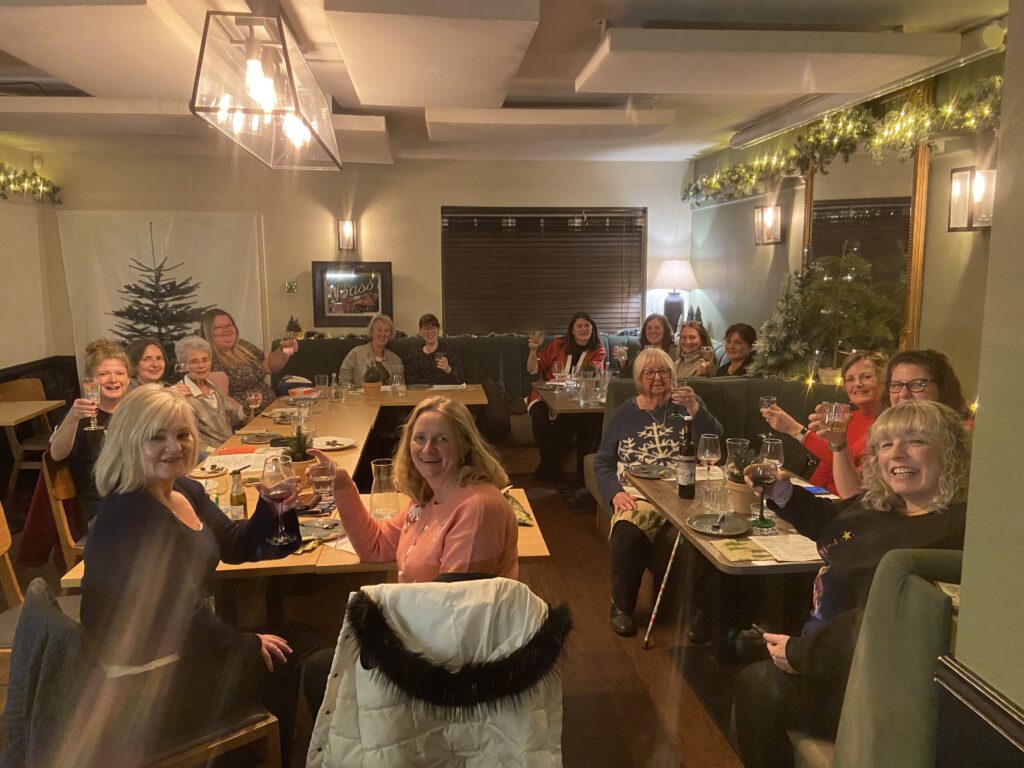
Our club meets monthly in the restaurant area of our local pub, The Brown Cow in Louth. We meet on a Monday evening when the restaurant isn't open, although members can still buy drinks at the bar. We can accommodate around 25 people and usually have 15–20 regularly attending.
A café, community room or other local space could work just as well. Think about the size of group you want, accessibility, temperature and, importantly, access to water for palate cleansing.
Keep it regular, but don't overcomplicate it
We meet once a month. That gives us enough time to plan and source the chocolate without it becoming a burden, while keeping the momentum going.
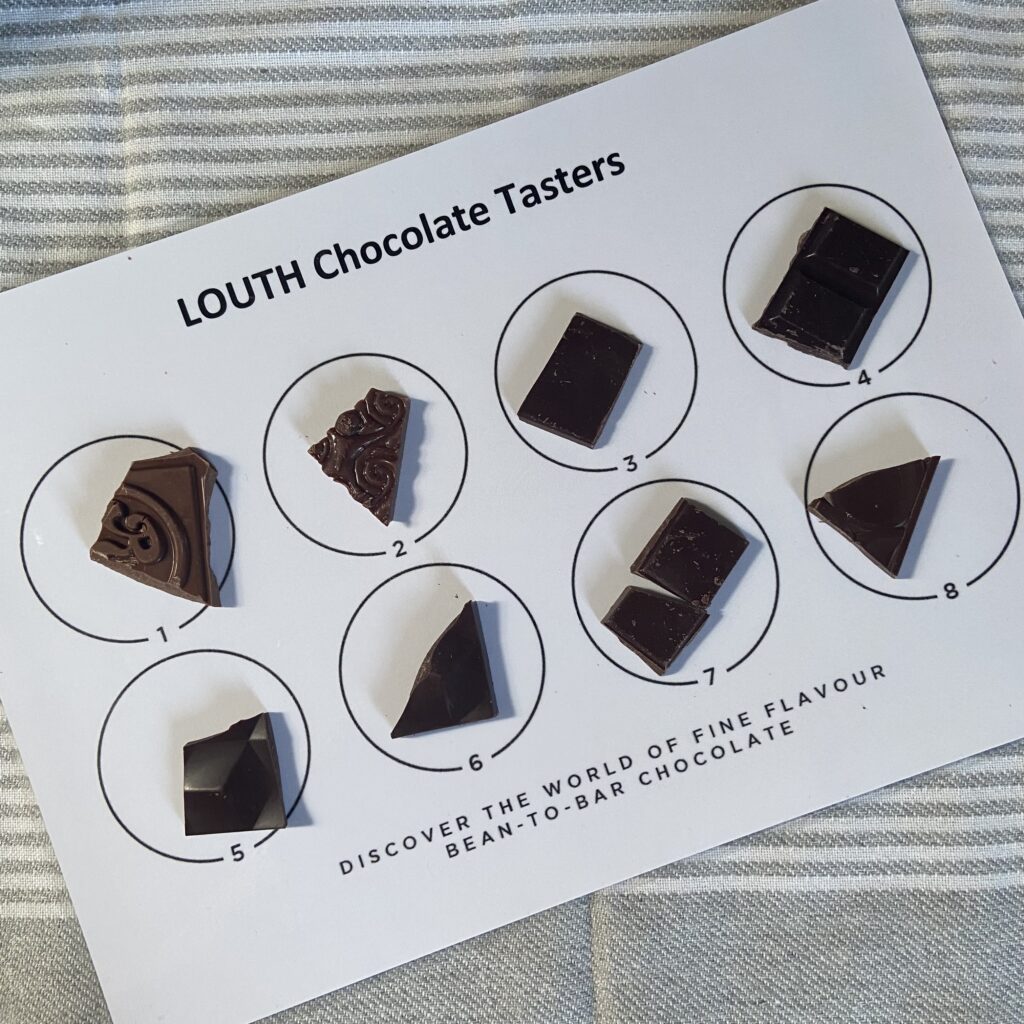
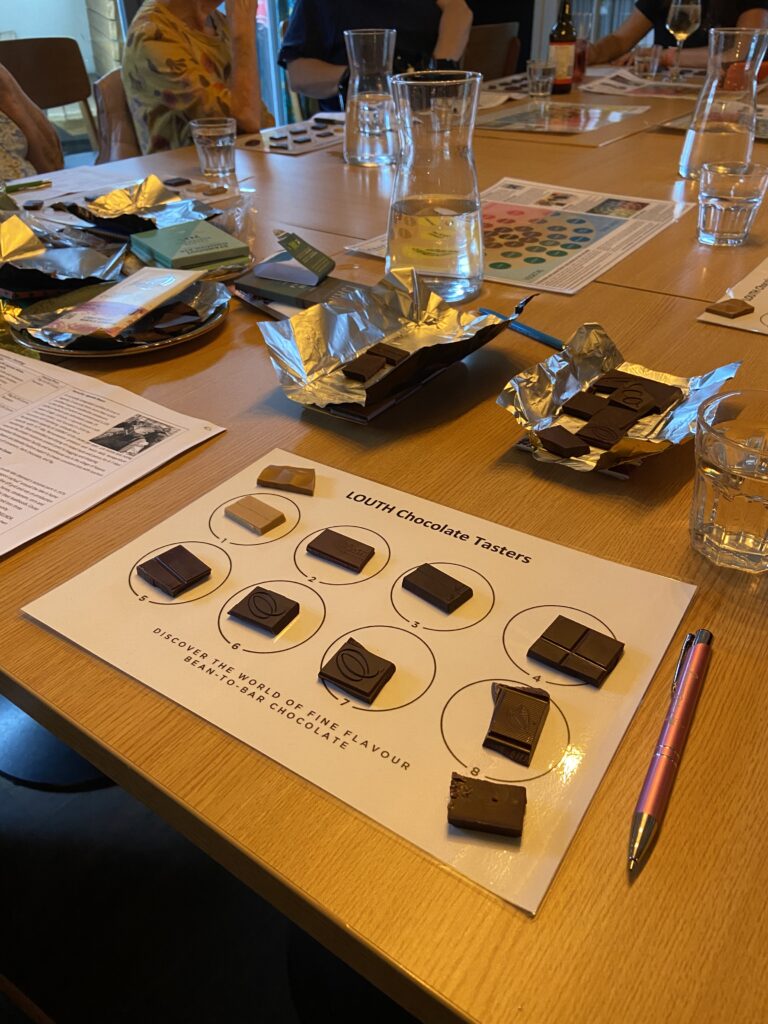
Over the years, we’ve settled on a format of around eight chocolates in a two-hour session. That gives people enough variety to find something they like, while still allowing time to explore a theme without overwhelming the palate – or our budget.
We started with chocolate bars, but the possibilities have grown. We now include more flavoured chocolate, chocolatier products, bonbons and other cacao-based products.
The important thing is finding a format that works for your group
You don't need elaborate tasting equipment either. We started with individual printed tasting sheets, but discovered that although some people loved recording every detail, others were perfectly happy with a simple list and their own notes. So we adapted and now produce a list and people print their own tasting notes sheets is they want to. You will find examples in the resources section at the end of the blog.
Let the chocolate lead you
One of the best things about a tasting club is the sheer number of directions you can take it.
You might explore a particular origin, compare different makers, look at award-winning bars, try flavoured chocolate or organise a blind tasting. You could explore milk chocolate, dark milk, inclusions, seasonal collections or chocolate pairings.
The possibilities really are endless – that's the rabbit hole again.
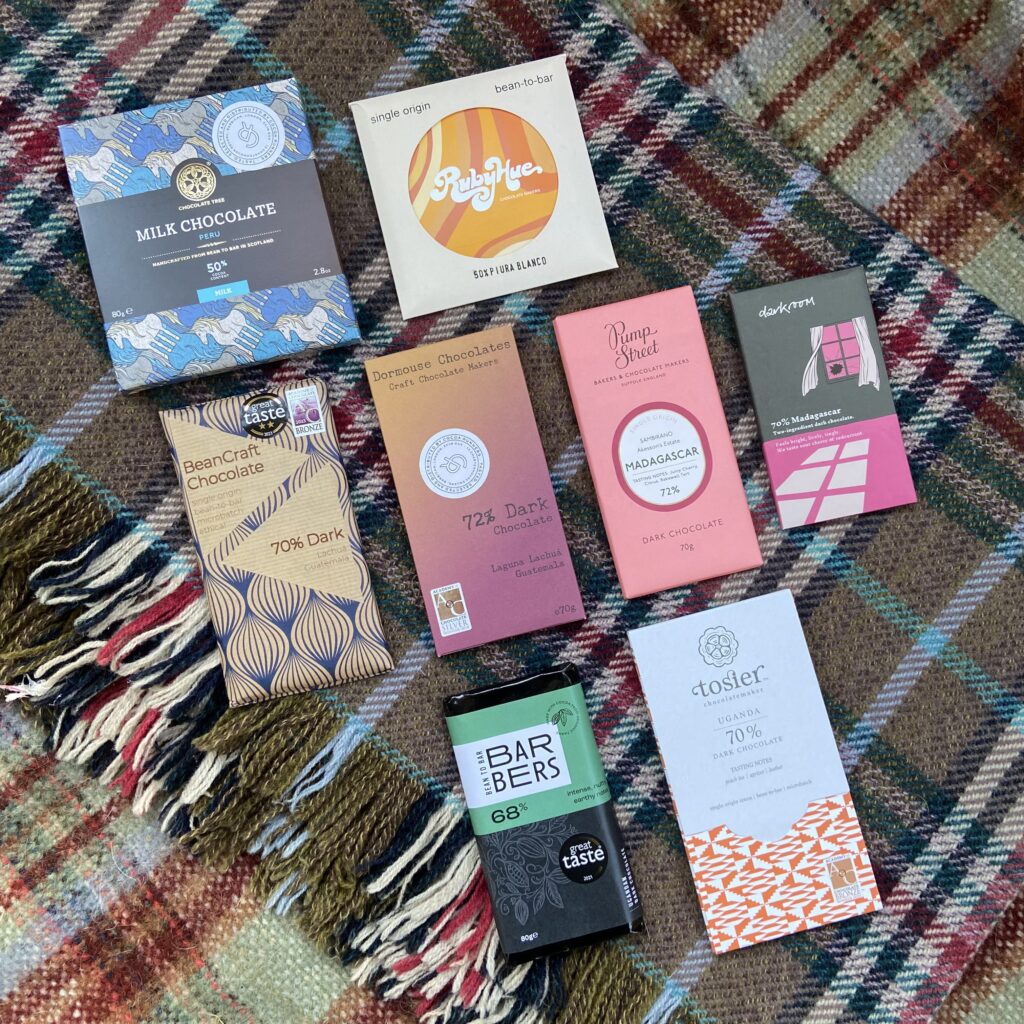
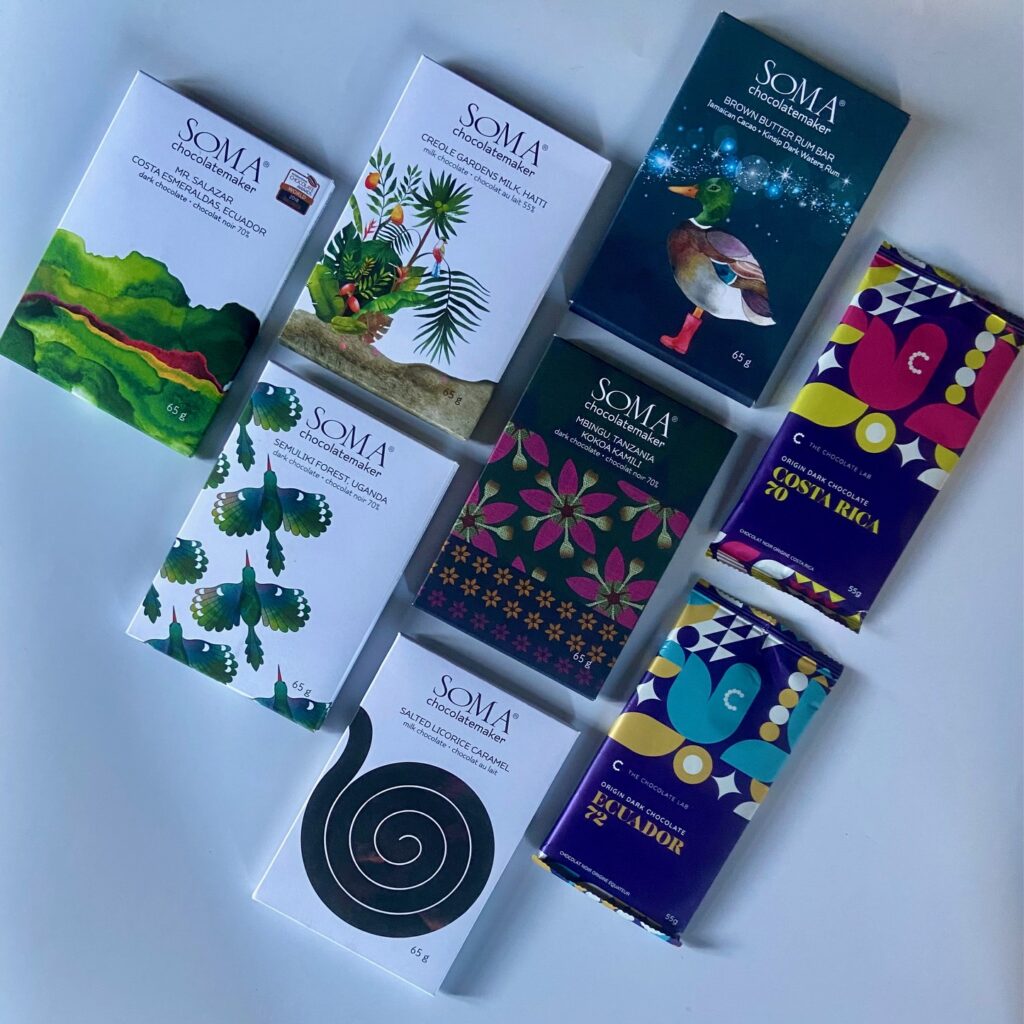

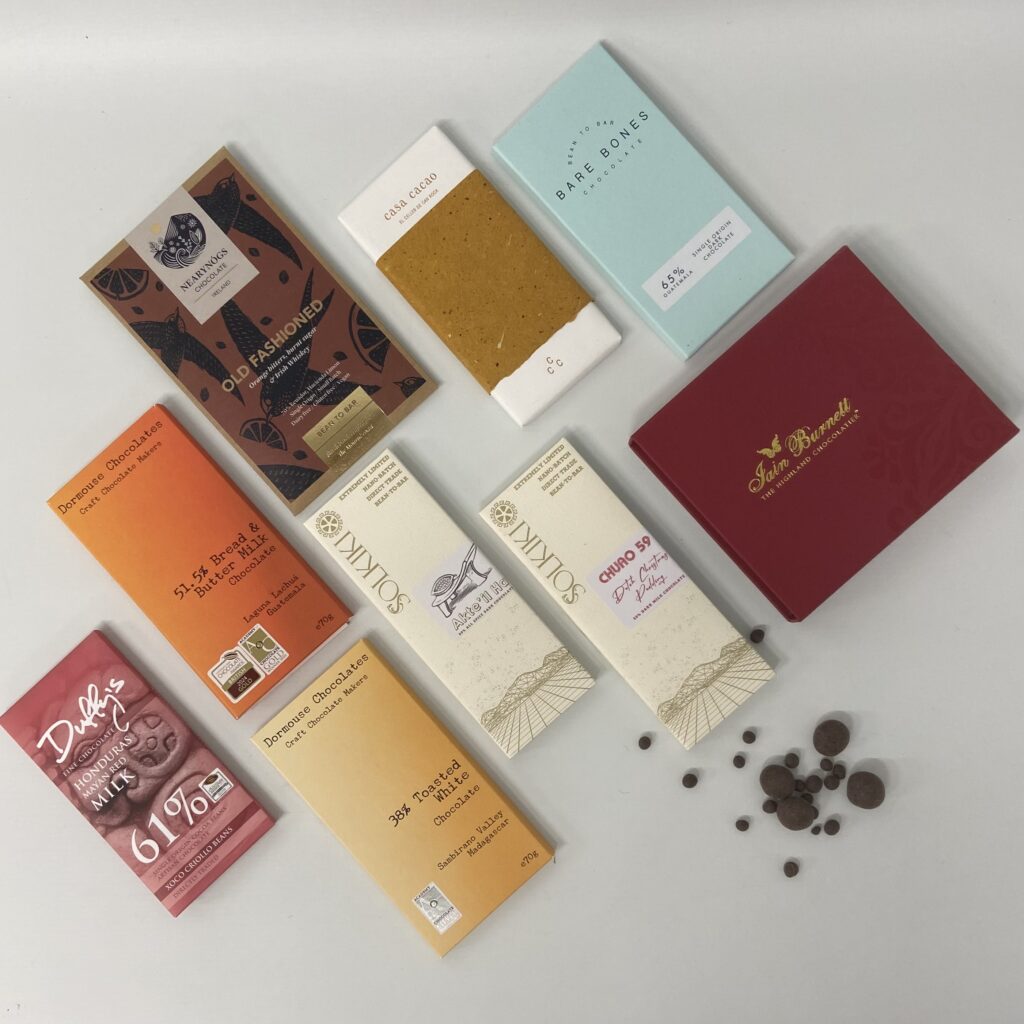
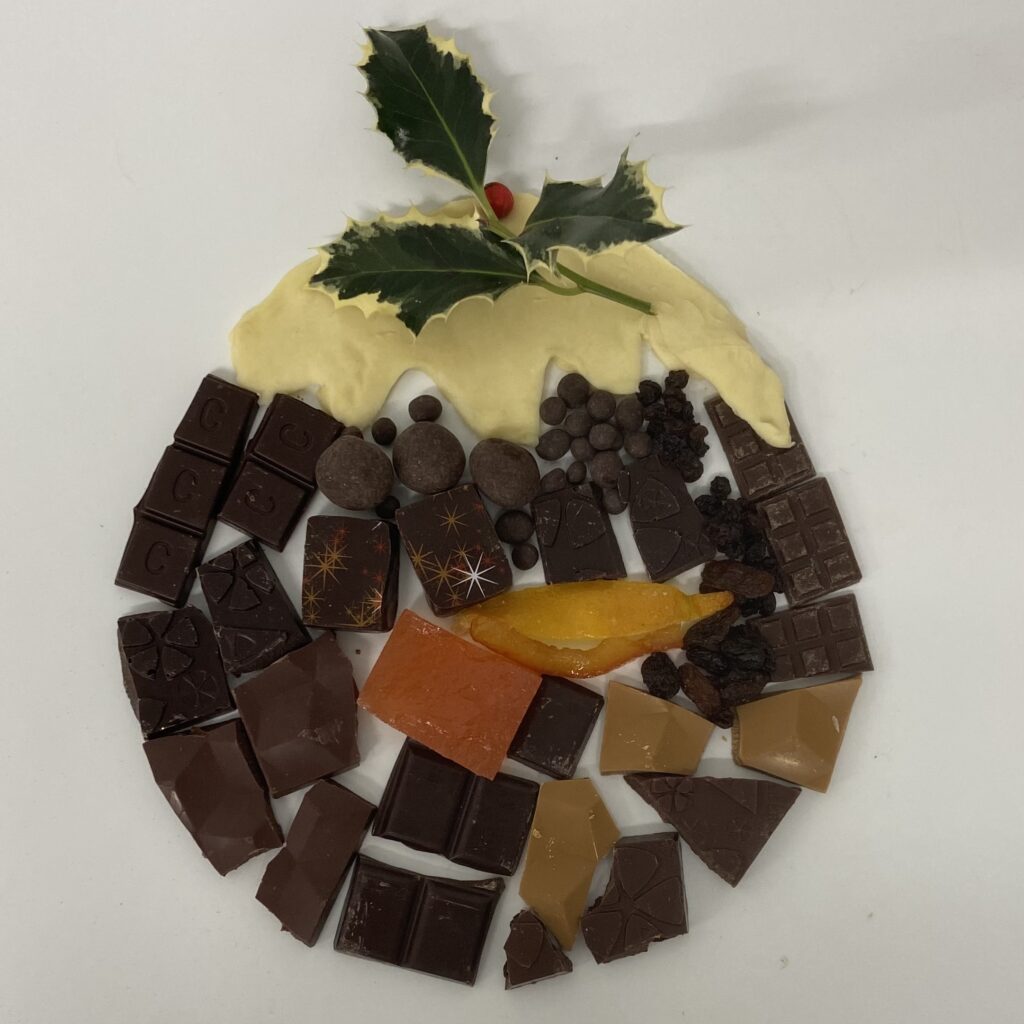
In the early days, we planned a programme in advance so people knew what to expect. We now choose the theme month by month. Sometimes a member will suggest a topic or curate a session, particularly if they are travelling. We have done bars from the US, Canada, Australia, Peru, Sicily and Spain as a result of member trips.
If you have a local maker, inviting them to curate a tasting can also be a great way to bring another perspective into the group.
And don't be afraid to repeat a popular tasting. Trying different chocolates around the same theme can be just as interesting as constantly looking for something new.
Make is sustainable
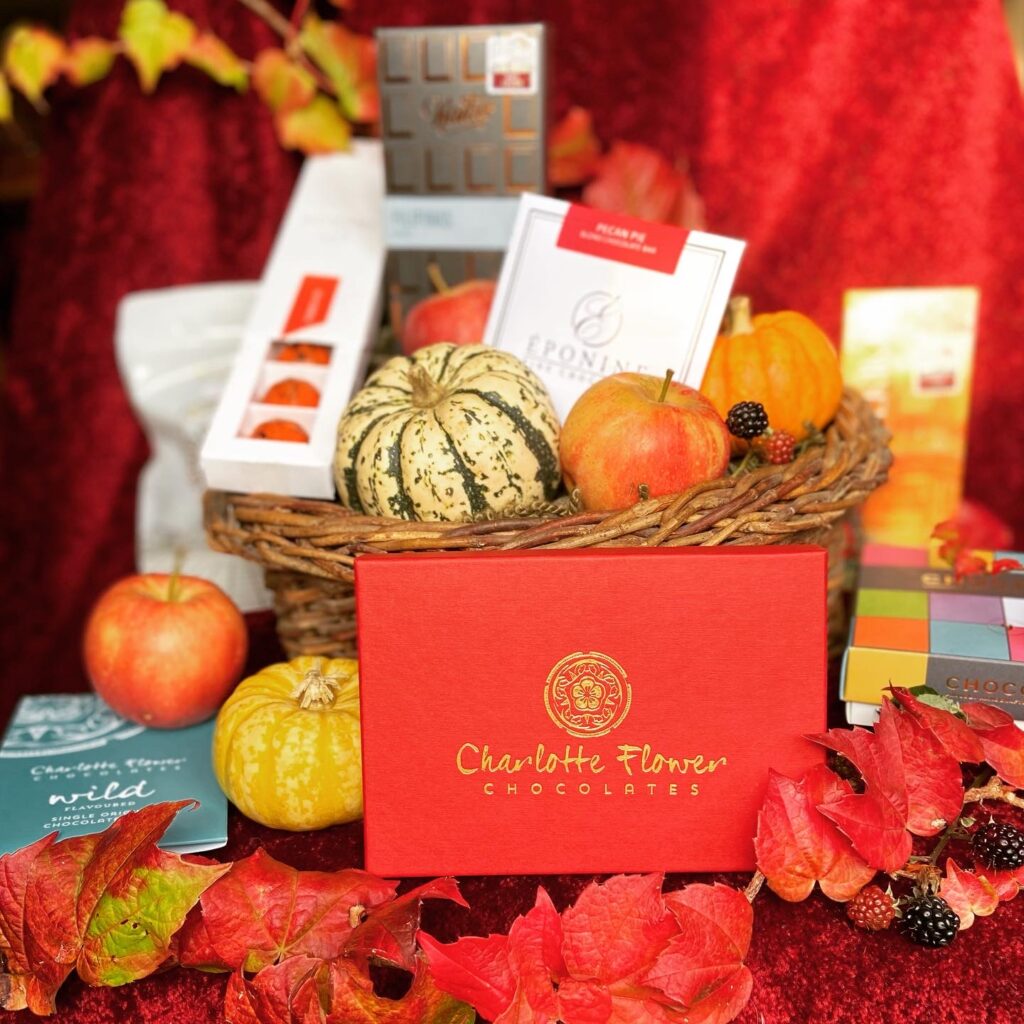
From the beginning, we decided to charge a set amount per session and keep a kitty. That covers the chocolate and the various costs that come with running a tasting – postage, printing, and the little things you don't necessarily think about at first.
We started at £7.50 per session for a bar tasting, with a higher price when bonbons were included. Nearly ten years later after a small increase to £8, we’re only just increasing the session fee to £10.
One of the advantages of a club is being able to share the cost. Eight interesting craft chocolates for the price of a single bar is still a pretty good deal! Of course with venue costs the price will be higher.
It’s also important to know who is coming before you order the chocolate. We’ve tried different ways of managing this over the years and have settled on asking people to let us know by a set date. Inevitably there will be the occasional no-show, but we have a system that works for us.
We’ve never asked makers for free chocolate to sample. That said, we certainly don't turn down a bar if a maker wants to share one with us for honest feedback!
Everyone can have an opinion
The most important thing when you run a tasting is to remember that there is no right or wrong answer.
For a first session, I’d explain how you’re going to taste the chocolate and give people some simple guidance. But then let them explore.
Slow down. Use all your senses. And melt, don't munch.
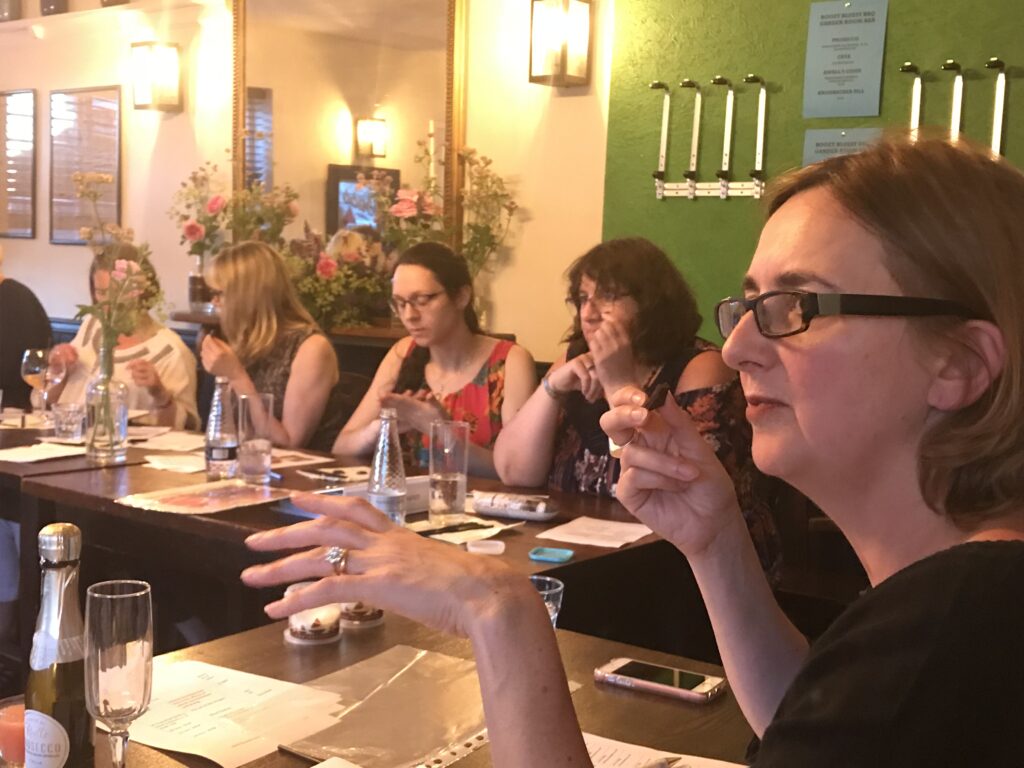
Some people will immediately start describing everything they taste. Others will sit quietly and think about it. Some people are brilliant at identifying flavours; others will tell you they never taste what everyone else is describing.
That's fine, as long at they enjoy it.
The point isn't to produce a room full of professional tasters. It’s to give people the opportunity to try things they wouldn’t normally try and become more confident in recognising what they like and don't like.
We usually finish with a vote for our favourite chocolate. It’s always interesting to see what wins, and it’s often not what you expect.
What almost ten years has taught me
Looking back, we've had people who have come to almost every session, people who came once and decided it wasn't for them, people who come whenever they can, and people who were regulars for several years before moving on.
That's part of what makes it a community.
We even managed to keep going through Covid, adapting the format so that members could collect tasting samples and join us online.
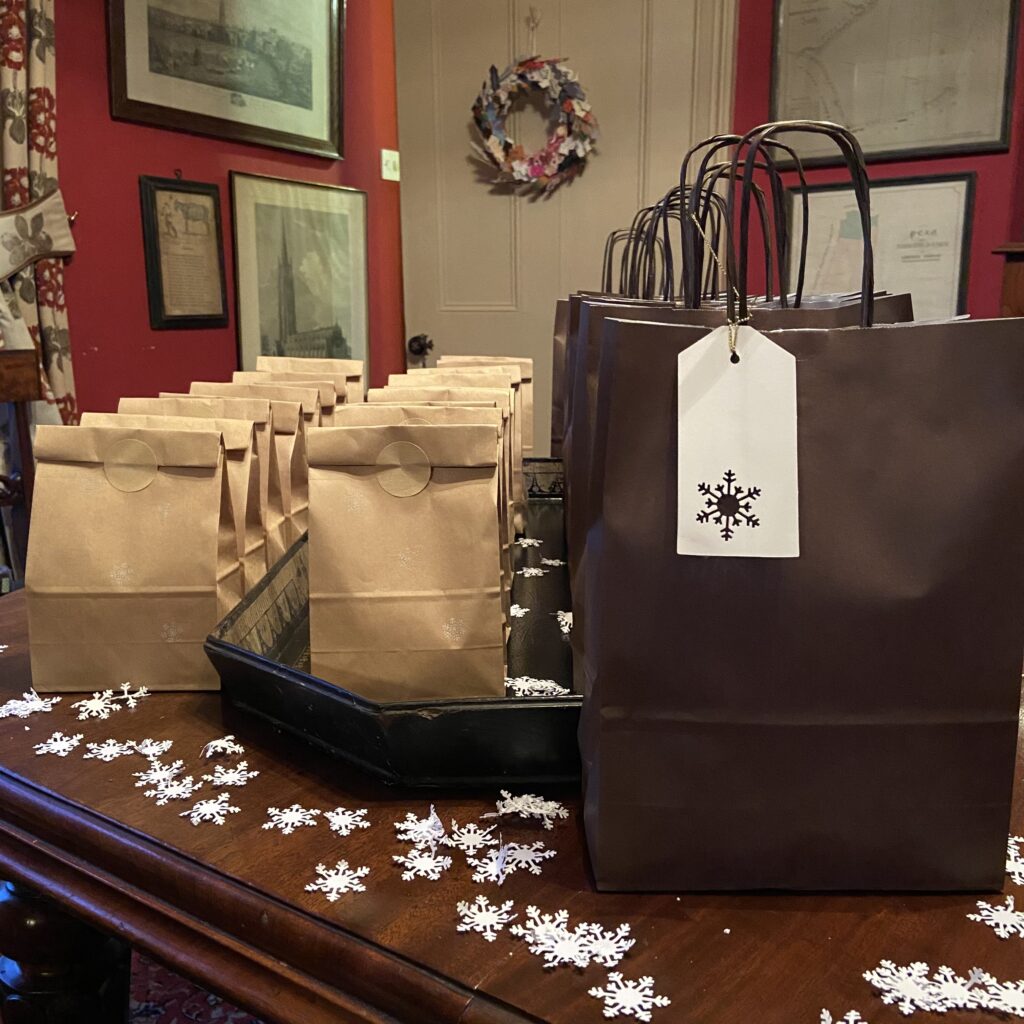
The club has also developed in ways I never really anticipated. Some members have gone on to do professional chocolate tasting training with me. Others are perfectly happy simply to taste, learn but most are surprised at how their their palate changes.
We've also discovered that a tasting club can be useful beyond the tasting itself. We sometimes organise group buys when someone is visiting a maker or placing an order – sharing postage or giving other members the opportunity to try something they might not otherwise have access to. And I know that the family and friends of our club members get the very best chocolate gifts!
Chocolate is ultimately about pleasure
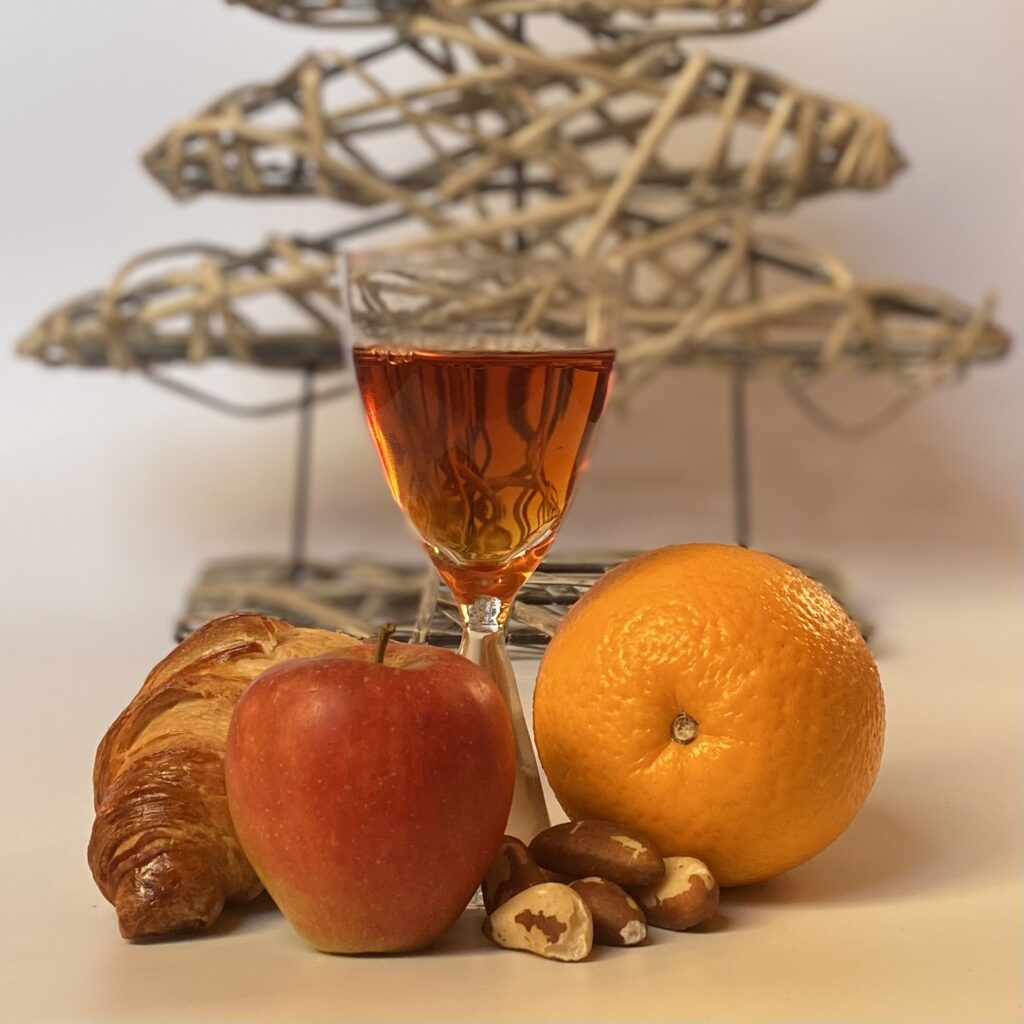
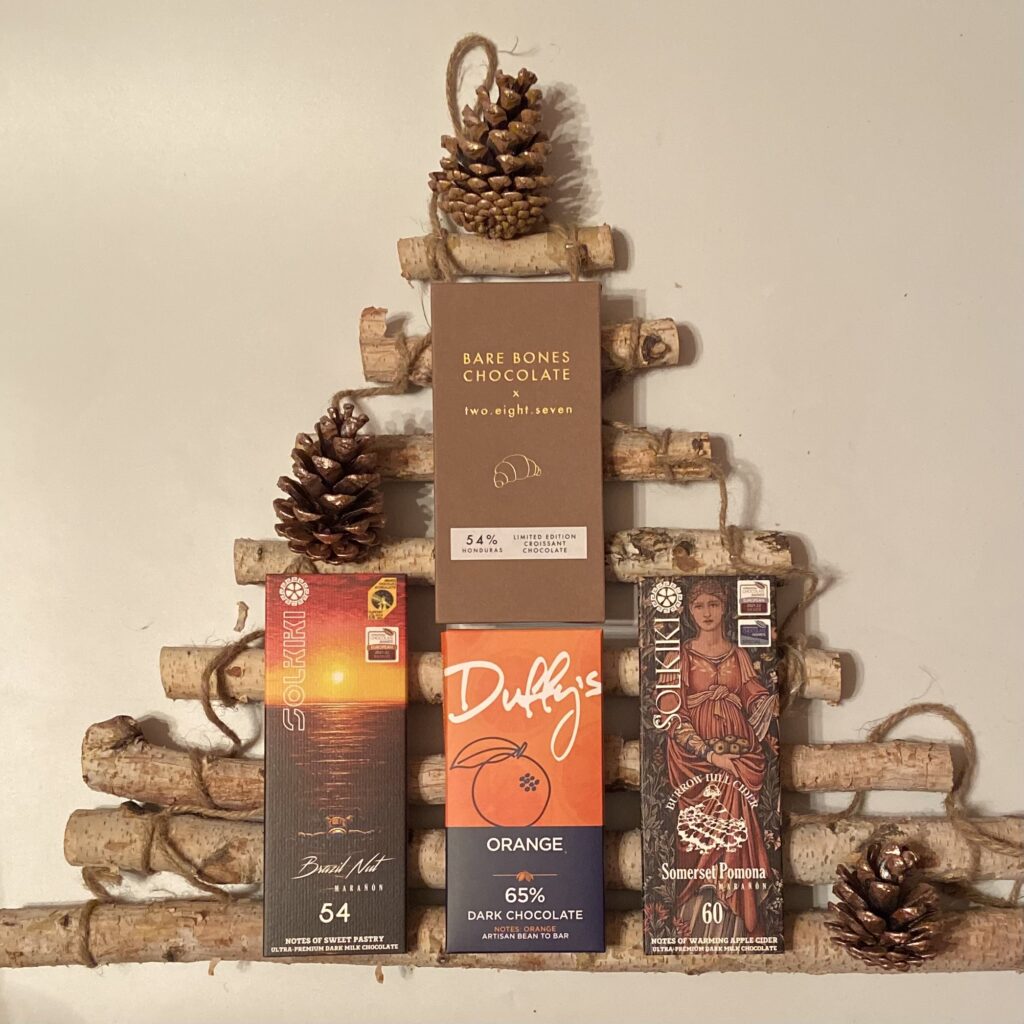
There is plenty to take seriously about chocolate.
We talk about cacao farming, supply chains, ethics, sustainability, health and the challenges facing the craft chocolate sector. But we also remember that chocolate is ultimately about pleasure. And the pleasure of craft chocolate comes from its complexity and diversity – and for us - sharing that experience with other people.
People come to a tasting club because they are curious and the people who stay are the ones whose curiosity keeps growing.
And perhaps that is the best reason to start one.
You don't need to be an expert. You just need a few people who are curious, some interesting chocolate and a willingness to explore.
The rabbit hole is waiting!
Resources to help you get started
Ready to give it a go? I've pulled together some of the resources I've developed and used over the years to help you set up and run your own community craft chocolate tasting club.
Know your chocolate
If you want to brush up your chocolate knowledge and understanding of how to appreciate and distinguish fine chocolate, you can invest a couple of hours in my Appreciation of Fine Chocolate On-demand course. And as a reader of this article, you can use this 10% discount code to help get started BLOG-AFC-10
Sample programmes
Our first 6 month programme from Louth Chocolate Tasters
Other programme examples:
Templates for Tasting Sample Mats & Tasting Lists
Editable word templates you can use for your community club [Not for use in commercial tastings]
Tasting Evaluation Notes
Flavour Charts
There are lots of different flavour charts available, here are just a few options we have found most useful.
IICCT Chocolate and Cacao Flavor Profile Map
Hazel Lee’s Taste With Colour Map (for purchase not for reproduction)
Make sure to follow my Instagram for inspiration for community club lines ups!
What are you waiting for?
Go for it! And let me know how you get on and please contact me if you have any questions or need any help.


